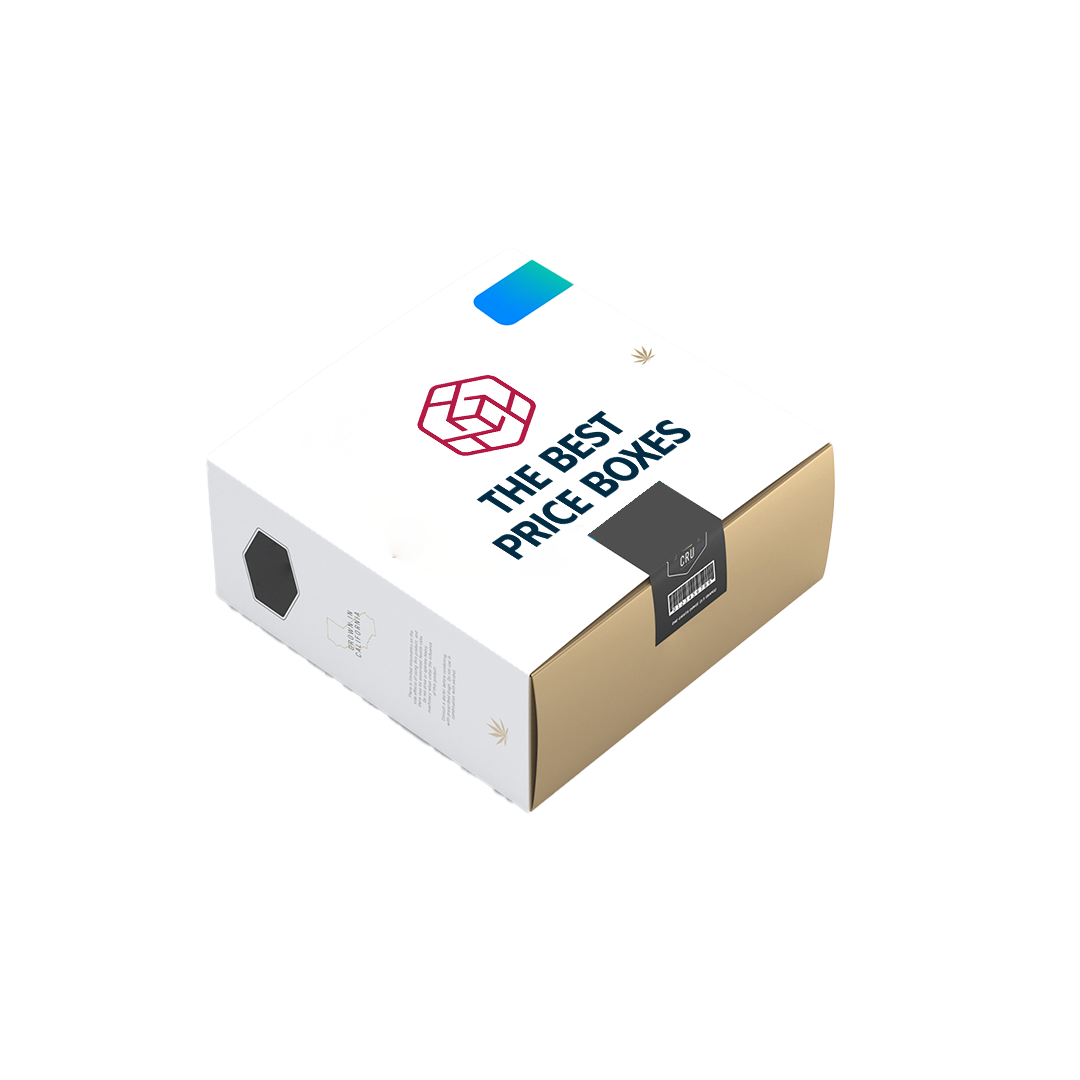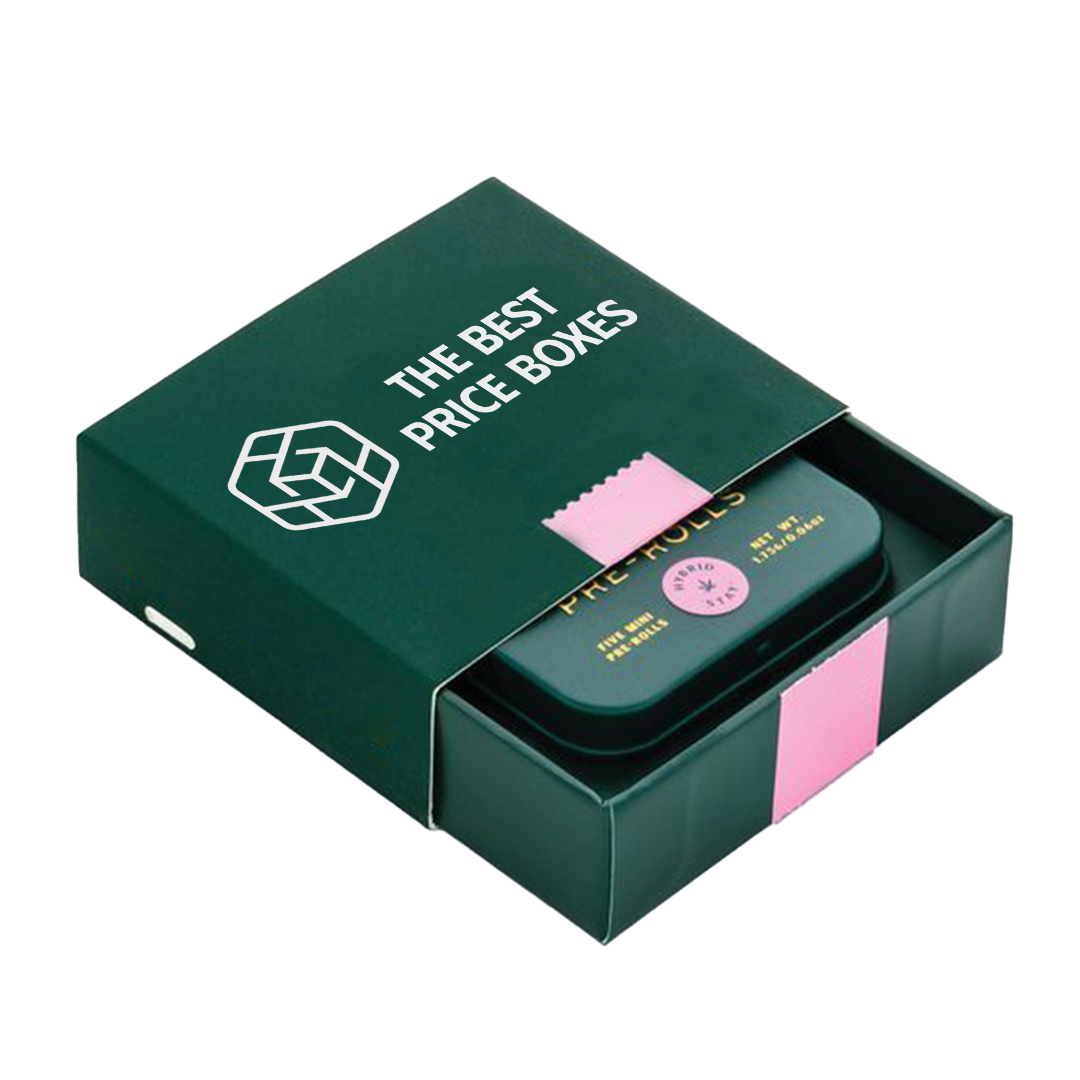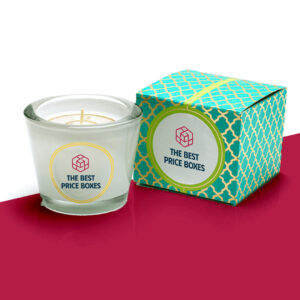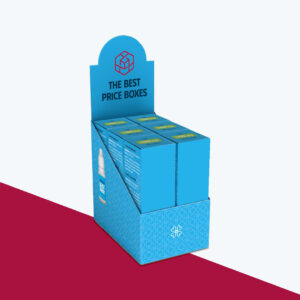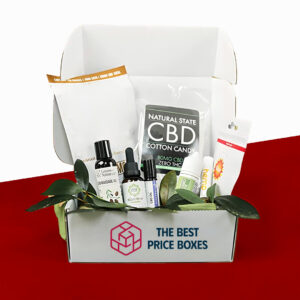




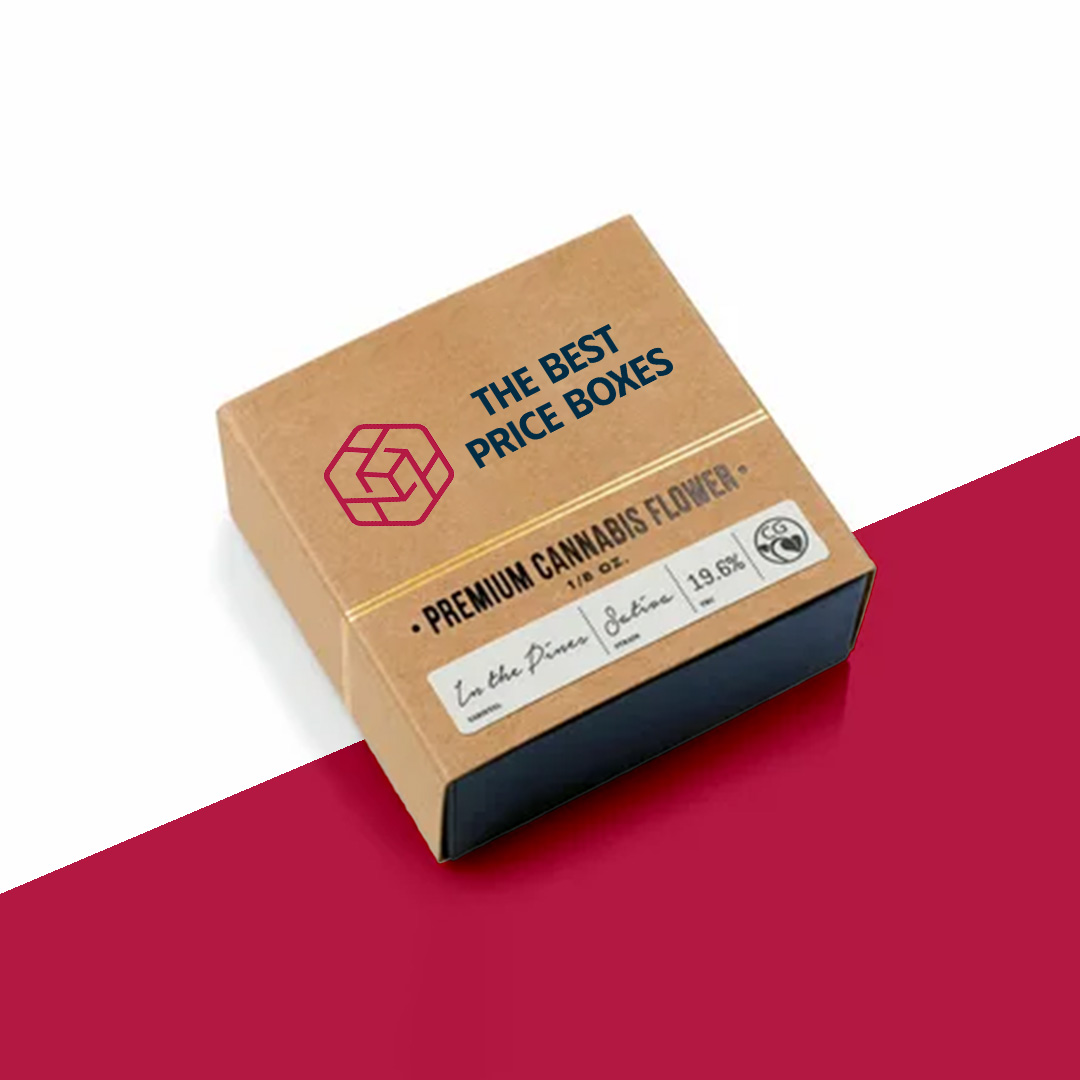


Cannabis flower is delicate, aromatic, and light sensitive, and it sits in one of the most regulated retail categories in the country, so its packaging has two masters: freshness and compliance. The container has to preserve terpenes and humidity so the flower does not dry out or lose its aroma, block light, and carry the child resistant closure, warnings, and labeling a licensed market requires. Because the rules vary by state and change, the packaging is built to support your compliance, not to author it.
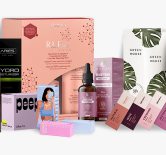
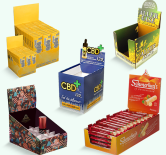
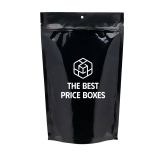
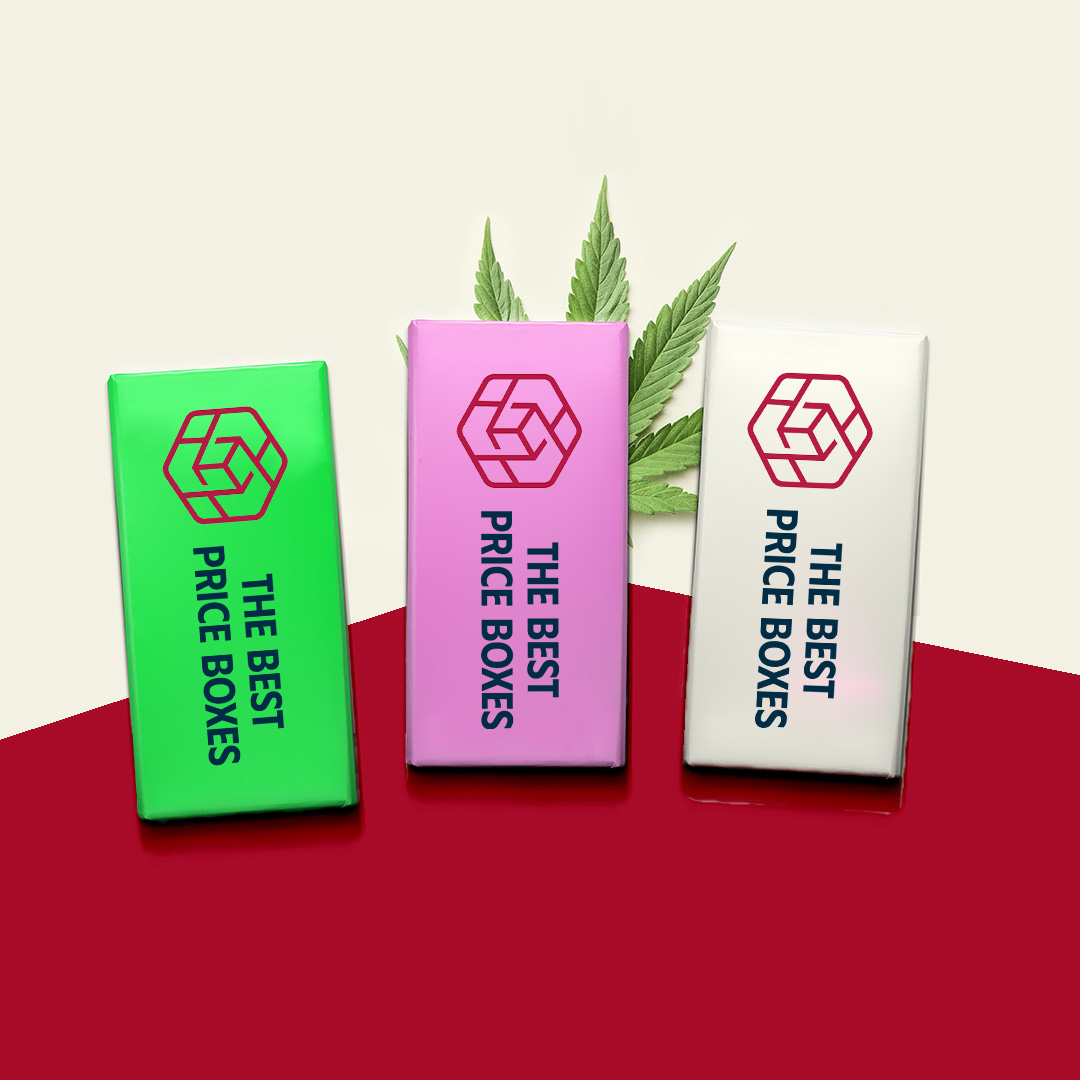
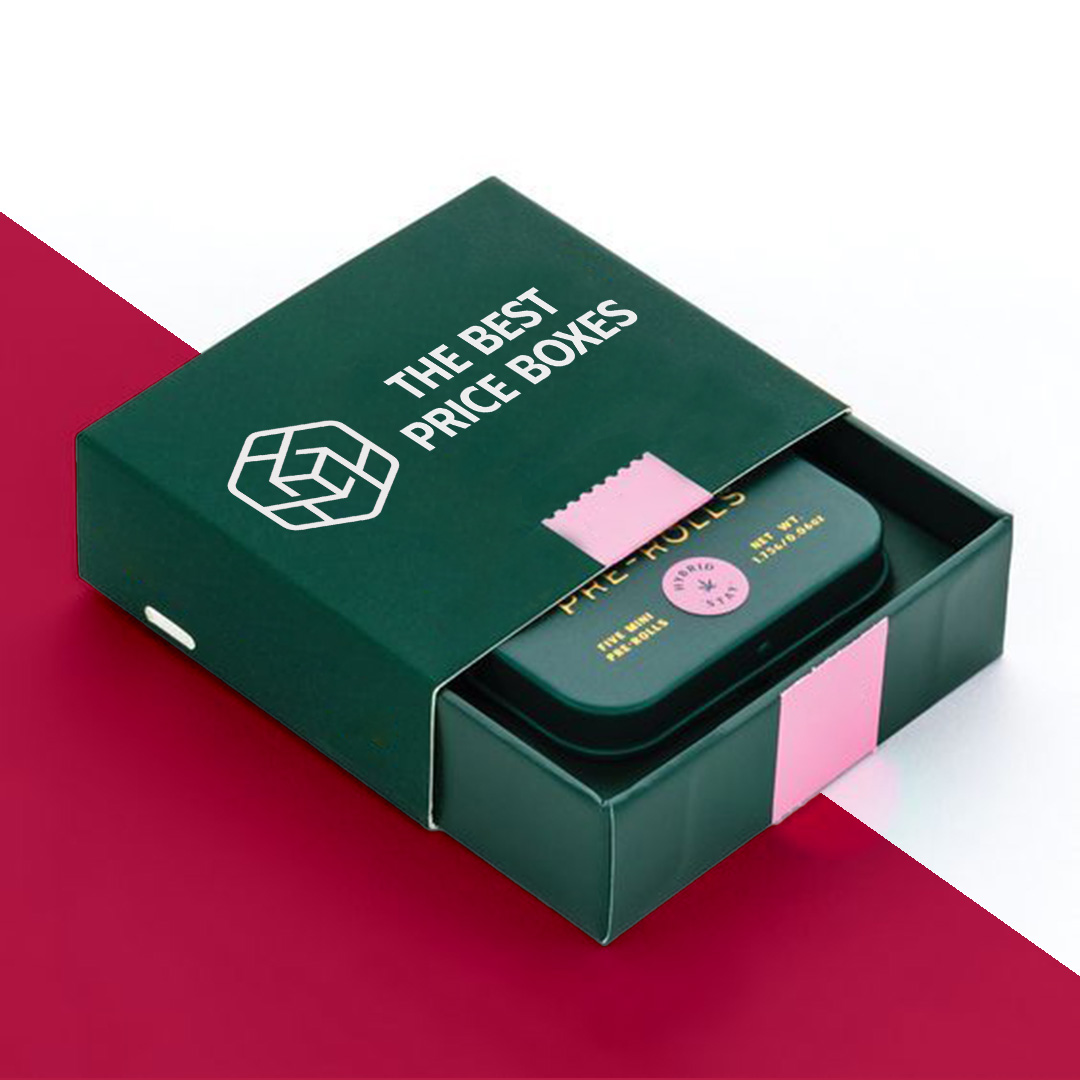
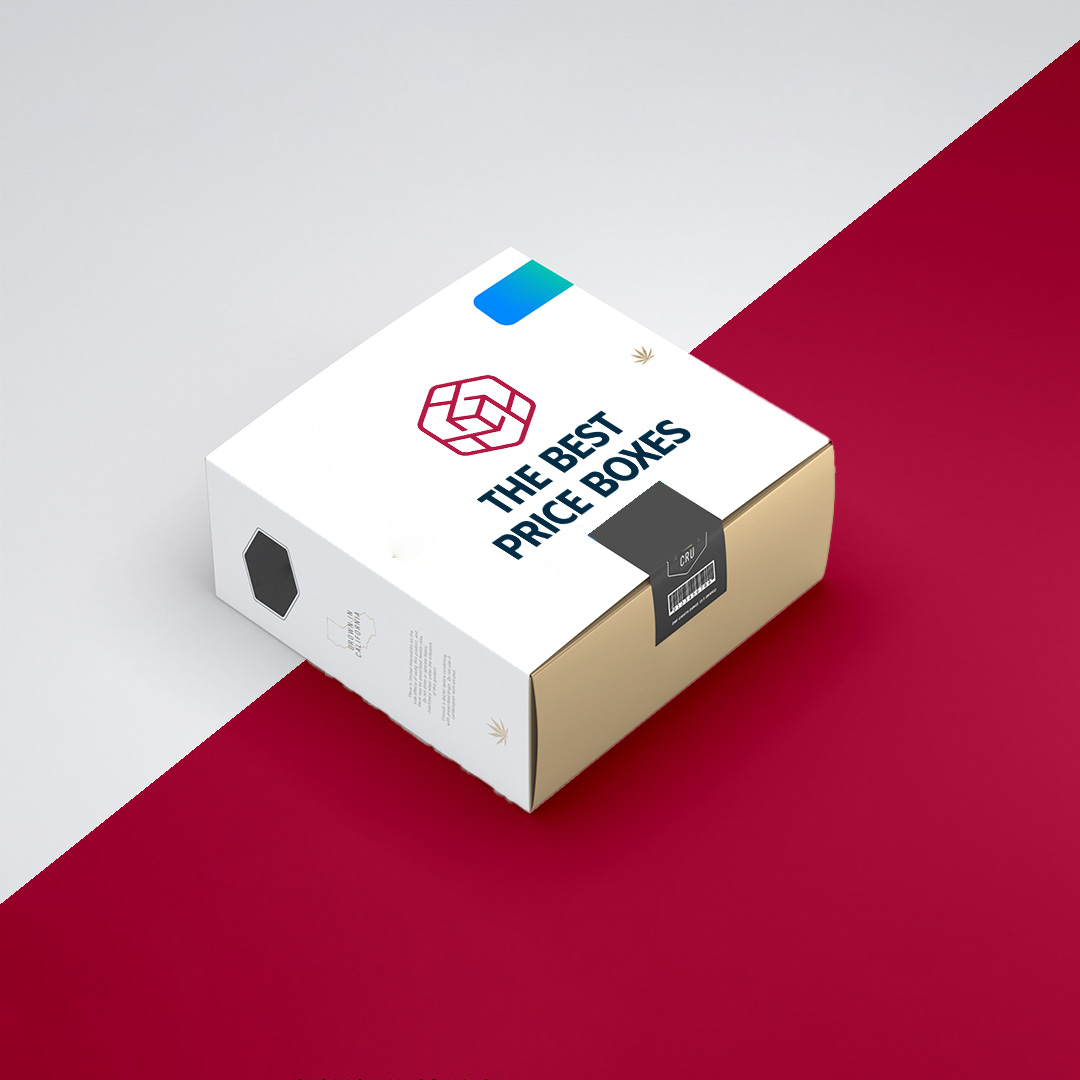
We build cannabis flower packaging as jars, pop top cartons, mylar bags, and tins with child resistant closure options, opaque or barrier construction to protect terpenes and block light, tamper evidence, and structured room for warnings and symbols. Full color print, foil, and matte finishes carry the brand around the compliance. Meeting child resistant certification and state labeling stays the brand's responsibility.
This is packaging guidance, not legal advice. No minimum order matters because a state can change its rules and you do not want noncompliant stock. Tell us the weight, your state, and your closure needs and we will spec flower packaging that preserves the product and supports your labeling.
Two masters: freshness and compliance
Does cannabis flower packaging preserve freshness?
Yes, barrier and opaque construction protect terpenes and humidity and block light so the flower does not dry out or lose aroma. We match the barrier to the weight and shelf life you need.
Do you offer child resistant closures?
Yes, child resistant closures and tamper evidence across jars, pop top cartons, mylar bags, and tins. Whether a given closure meets your state certification is something you confirm, since that stays the brand's responsibility.
Can you handle state compliance?
We build the packaging to carry your required warnings, symbols, and labeling, but cannabis rules vary by state and change. We will not author your compliance, and confirming it is your responsibility.
Is there a minimum order?
No minimum, which helps when state rules change. This is packaging guidance, not legal advice.
More CBD Packaging
See the full CBD Packaging range, or explore related options with no minimum order and our best-price guarantee: