


Most clothing brands ship in one of four packages: a self locking mailer box, a poly mailer, a folding carton, or a two piece rigid box. The right pick depends on what you sell, how far it travels, and what you want the buyer to feel when the parcel hits the doorstep. A cotton tee and a 280 dollar wool coat should not leave your warehouse in the same package. Get it wrong and you either wreck your margins on packaging the product does not need, or you turn up as a wrinkled, dented first impression.
This is the guide I wish more small apparel brands read before they ordered a thousand of the wrong box. It covers the four formats, how to size a box around a folded garment instead of guessing, the materials and finishes that actually change how the package looks, and where to spend on the unboxing versus where to save. We make all of these to order Boxes with no minimum, so you can test 50 units before you commit to a pallet.
The four ways to package apparel
There are really only four container types clothing brands use, and each one has a job it does well and a job it does badly. Match the format to the product first, then worry about print.
Poly mailers, for lightweight soft goods
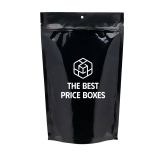
A poly mailer is a flexible polyethylene envelope, usually around 2.5 mil thick, in sizes like 6 by 9, 10 by 13, and 14.5 by 19 inches. It is the cheapest way to ship a single tee, a pair of leggings, or a folded hoodie, and it weighs almost nothing so it keeps postage down. What it will not do is protect anything with structure, so a cap, a belt, or anything that creases permanently belongs in a box. For durable soft goods it is hard to beat on cost. See our padded poly bubble mailers, and the custom boxes vs poly mailers breakdown if you are on the fence.
Mailer boxes, the workhorse
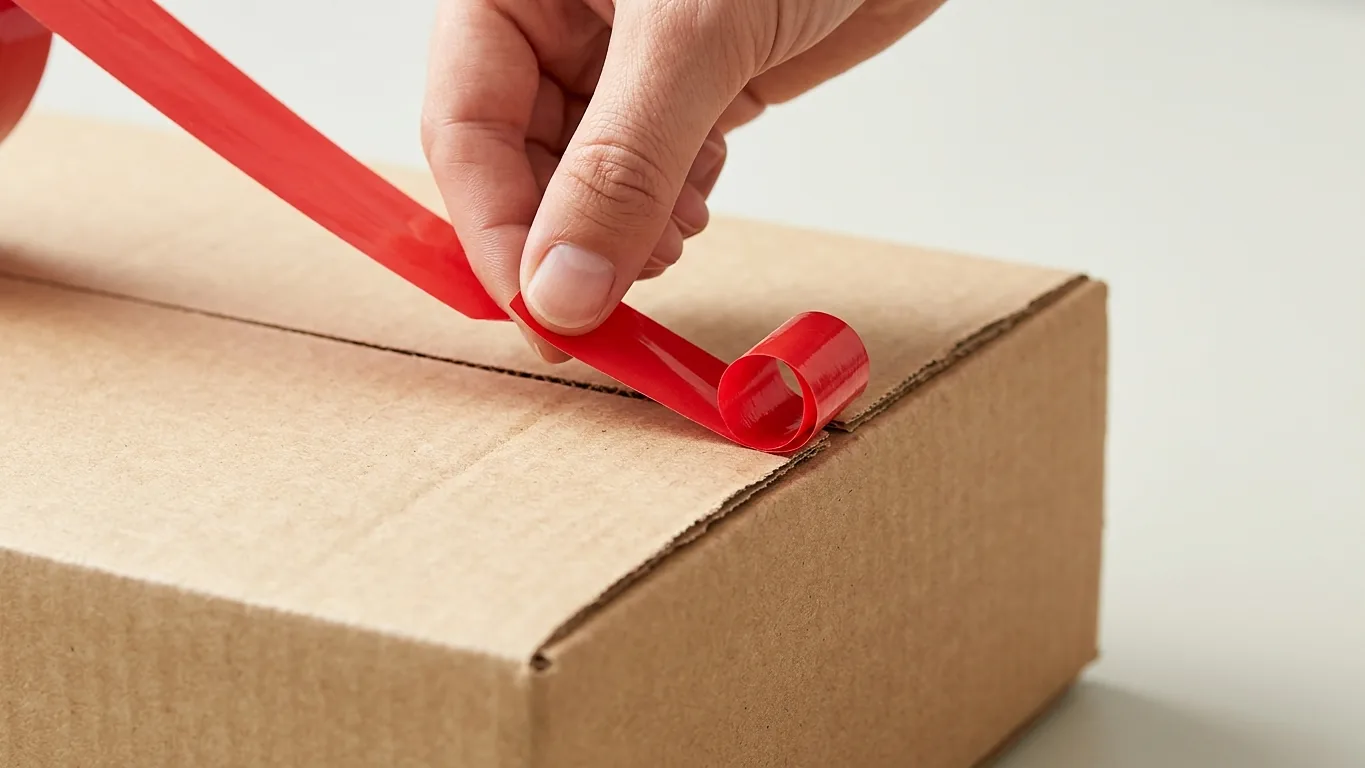
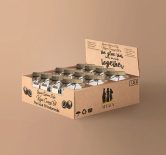
A mailer box is a one piece corrugated box with a roll end front that folds and locks without tape. This is the format most direct to consumer apparel brands settle on, because it protects folded garments, prints edge to edge with no seams cutting through your artwork, and survives shipping without an outer carton. For apparel, E flute board (about one sixteenth inch) gives you the crispest print for lighter items, while B flute (about one eighth inch) adds rigidity for heavier pieces like denim or knitwear. Common apparel footprints are 10 by 8 by 2 for a single tee, 12 by 9 by 3 for a hoodie, and 14 by 10 by 4 for multi item orders. Browse mailer boxes and kraft mailer boxes, or read the full mailer boxes guide.
Folding cartons, for retail shelves
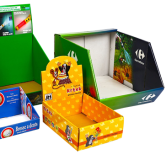
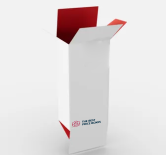
If your apparel sells in stores, or you fold dress shirts into a printed box, a folding carton in 18 to 24 pt SBS paperboard is the classic choice. It is the thin, smooth, printed box you see wrapped around a folded button down. It is not built to ship on its own, so it usually rides inside a shipping carton or mailer, but it looks sharp on a shelf and costs less than rigid. Our apparel gift boxes and apparel sleeve boxes cover this range.
Rigid boxes, for premium and gifting
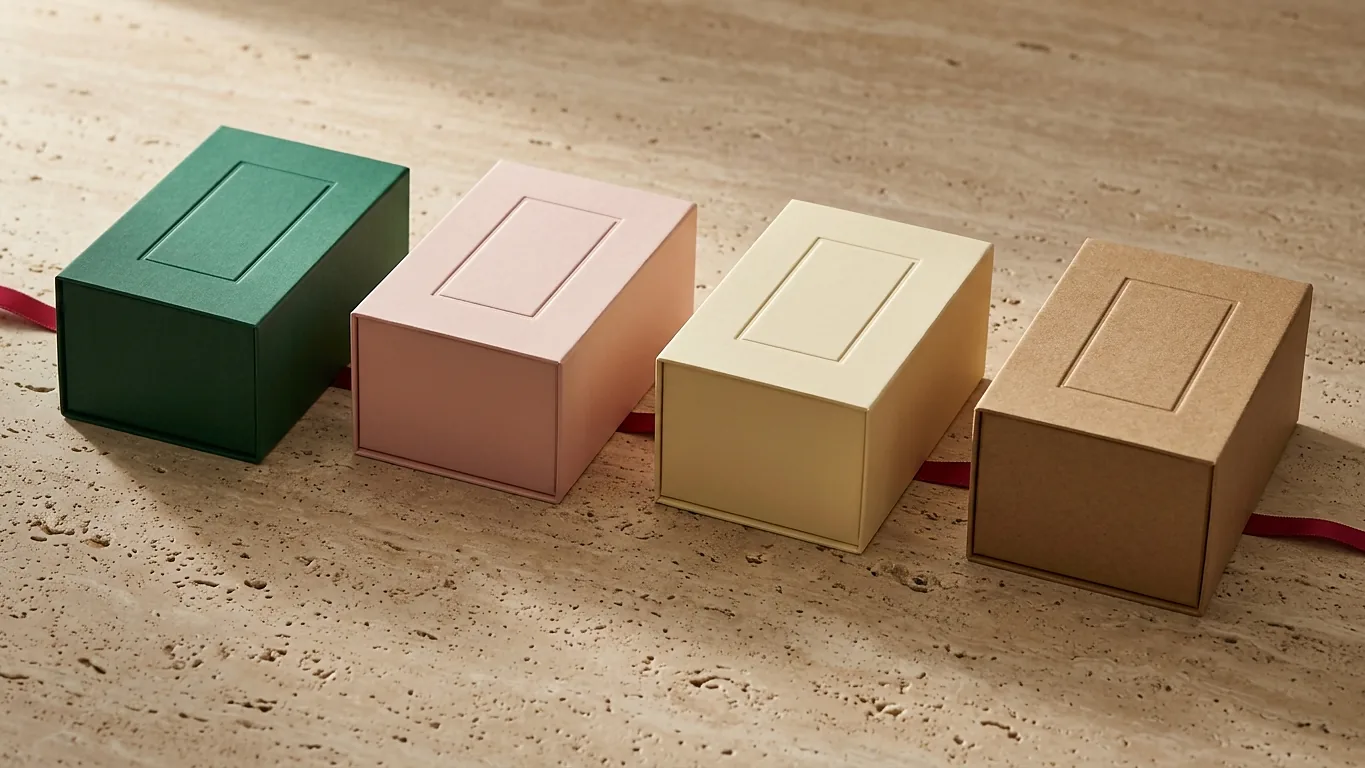
A two piece rigid box, lid and base, made from 1200 to 1500 gsm greyboard wrapped in printed paper, is the format for denim, suiting, and anything positioned as a gift. It feels substantial, holds its shape, and photographs well for the unboxing videos your customers post. It costs more per unit and is usually not shipped bare, so budget for an outer carton around it. See rigid boxes and the rigid boxes guide for construction details.
How to size a box around a folded garment
The most common sizing mistake is ordering a box to fit the garment laid flat. Size it to the folded stack instead. Fold the garment the way your team will actually fold it, measure the length and width of that stack, then measure the height and add roughly a quarter inch of headroom so the lid closes without crushing. A standard adult tee folds to about 9 by 7 inches and stacks around 1 inch tall, which is why a 10 by 8 by 2 mailer is such a reliable default. A hoodie folds larger and thicker, closer to 11 by 9 by 2.5, so it wants a 12 by 9 by 3. When in doubt, order a sample and fold a real product into it before you commit. Our how to measure a box guide walks through the exact method.
Materials and finishes that matter
Board and finish are where apparel brands either look premium or look cheap. For corrugated mailers, kraft board reads natural and hides scuffs well, while white board gives you a clean canvas for full color print. E flute takes fine detail and small type better than B flute. On the finish, a matte laminate resists fingerprints and looks understated, gloss makes colors pop, and a soft touch coating feels expensive under the hand for a few cents more per box. If you print a logo only, a single spot color on kraft is the cheapest route that still looks intentional. Compare coatings in our gloss vs matte lamination guide, and kraft vs white boxes if you are choosing board color.
The unboxing layer, cheap upgrades that punch above their cost
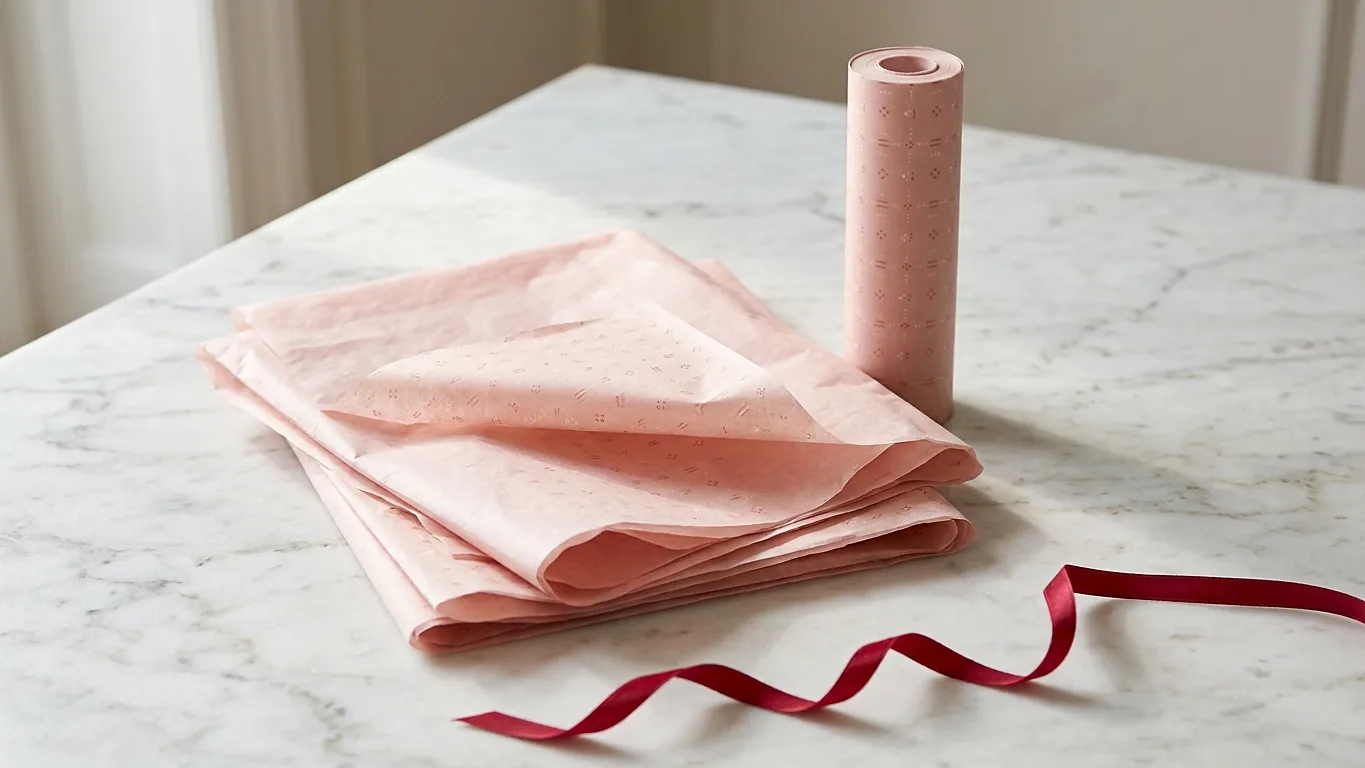
The parcel is only half the impression. The small add ons do a lot of work: branded tissue paper wrapping the garment, a printed sticker or seal to close the tissue, a custom hang tag on the product itself, and a small thank you card. None of these cost much per order, and together they turn a plain box into something a customer photographs and posts. If you have to prioritize, tissue and a sticker give you the most perceived value for the least money.
What it costs and why there is no minimum
Custom apparel packaging pricing moves with quantity, board, size, and how much of the box you print. Small quantities cost more per unit because setup is spread over fewer boxes, and the per unit price drops steadily as volume climbs. The reason we do not set a minimum order is simple: a new apparel brand should be able to order 50 or 100 boxes to test a design and a size before committing to thousands. Being The Best Price Boxes, we will also match a competitor written quote on comparable stock. Run the numbers in our how much do custom boxes cost guide, and see ordering with no minimum for how low quantity runs work.
Not sure which format fits your product? Send us the garment dimensions and your monthly volume and we will quote the box that protects it for the least money. Request a quote and we will match any comparable written price.
What is the best box for shipping t-shirts?
For a single tee, a poly mailer is the cheapest option and a 10 by 8 by 2 mailer box is the most protective. Most direct to consumer brands use the mailer box because it prints edge to edge and arrives without dents. If you ship two or more tees together, step up to a 12 by 9 by 3.
Should I use a poly mailer or a box for clothing?
Use a poly mailer for a single soft item where cost and postage matter most, like one tee or a pair of leggings. Use a mailer box when the garment can crease, when you are shipping more than one item, or when the unboxing is part of your brand. Boxes cost more but protect better and look more premium.
What size mailer box fits a folded hoodie?
A hoodie folds to roughly 11 by 9 inches and about 2.5 inches thick, so a 12 by 9 by 3 mailer box is the reliable choice. Size to the folded stack, not the garment laid flat, and add about a quarter inch of height so the lid closes without crushing.
Is there a minimum order for custom apparel boxes?
No. We produce custom apparel boxes with no minimum order quantity, so you can order 50 or 100 units to test a design before scaling. Per unit cost is higher at low volume and drops as quantity increases.
How do I keep clothes from wrinkling in the box?
Fold along existing seams, wrap the garment in tissue to hold the fold, and choose a box sized to the folded stack so the item cannot shift. A snug box with a quarter inch of headroom wrinkles far less than an oversized one where the garment slides around.
Are custom apparel boxes recyclable?
Corrugated mailer boxes and SBS folding cartons are widely recyclable through curbside paper streams, and kraft board with water based ink is the most straightforward to recycle. Poly mailers are recyclable only through store drop off plastic film programs, not curbside.