



A box insert is the fitted piece inside a box that holds your product still, so it cannot slide, rattle or hit the walls in transit. Foam, paperboard and corrugated are the three common choices, and the right one depends on how heavy, fragile and valuable the product is. TBPB makes inserts with no minimum order.
Reviewed by the TBPB packaging team, October 2026.
| Quick facts | Answer |
|---|---|
| Minimum order | None. Order one insert or a full run. |
| Main jobs | Stop movement, keep fragile parts off the box walls, frame the product when the box opens |
| Common materials | Foam, paperboard, corrugated board (ask us to confirm other materials for your spec) |
| Best fit tolerance | Snug but not forced; product should lift out with two fingers |
| Where to start | Send product dimensions and weight; we return a dieline |
What does an insert actually do?
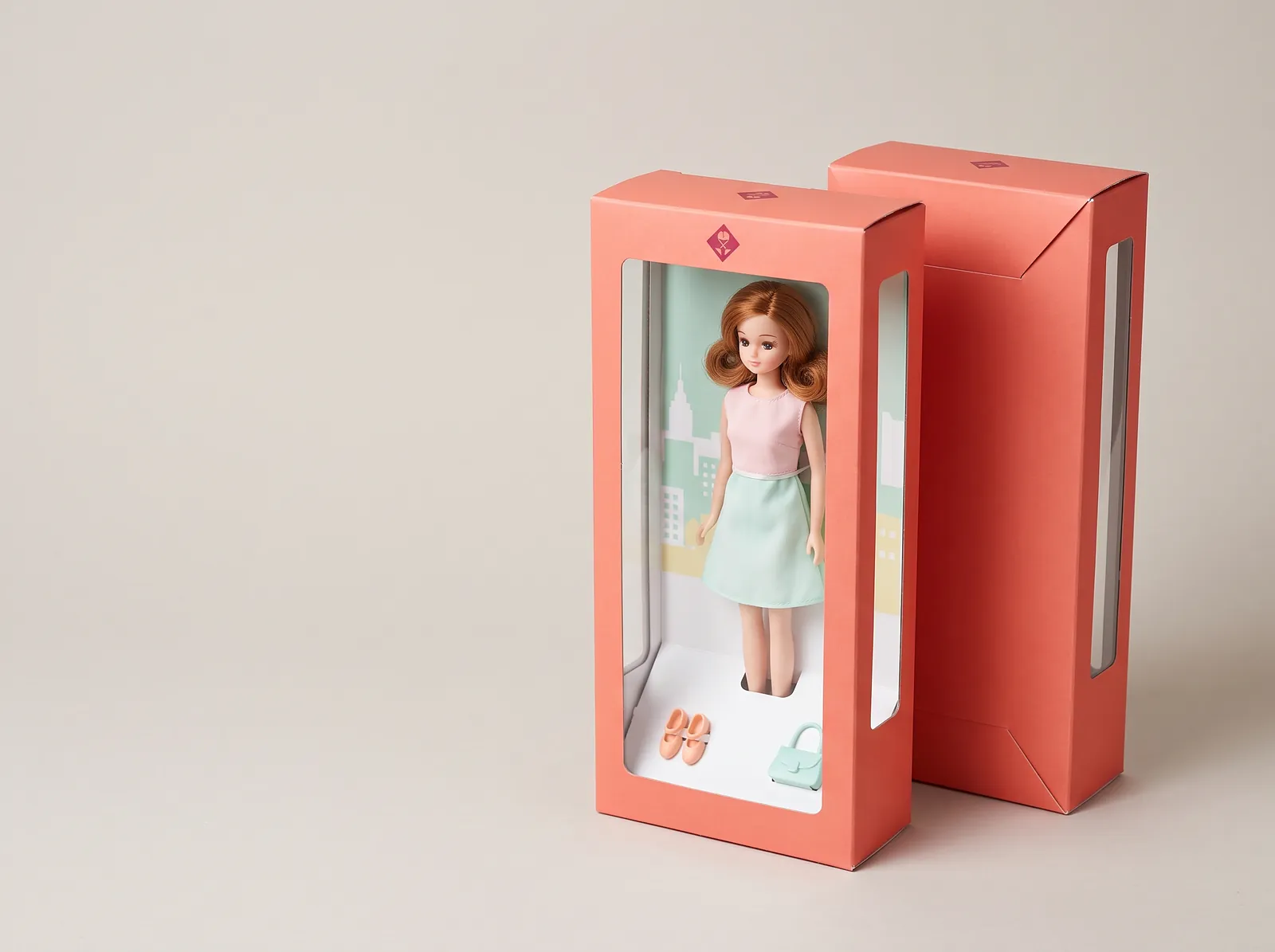
It does two jobs. The first is protection: most shipping damage comes from the product moving inside the box and striking a wall or another product, not from the outside of the box being crushed. An insert removes that movement. The second job is presentation. When a customer lifts the lid and sees the product seated in a cutout, the order feels deliberate. When they see it loose in a pile of paper, it does not.
That second job is why inserts show up in jewelry, cosmetics, electronics and gift sets even when nothing in the box is fragile. If you sell something at a price where the unboxing is part of the product, treat the insert as part of the design, not a cost to trim.
Foam, paperboard or corrugated: which should I pick?
| Material | Good for | Trade-off |
|---|---|---|
| Foam | Heavy, fragile or high-value items; devices, glass, instruments | Bulkier and less recycling-friendly; looks technical rather than natural |
| Paperboard | Light items, cosmetics, small gift sets; trays and dividers that fold flat | Does not cushion a hard drop; fine for retail, thin for heavy shipping |
| Corrugated | Mid-weight products, multi-item kits, bottles that need a divider grid | Rougher look; can be lined or wrapped for a cleaner reveal |
My rule of thumb: if the product breaks when dropped from a table, start with foam. If it only scuffs, paperboard or corrugated is enough. If you ship several items in one box, a corrugated divider grid is usually the cheapest way to keep them from knocking together. You can see what we make on the custom foam inserts and custom packaging inserts pages.
How tight should the fit be?
Snug enough that the product does not move when you shake the closed box, loose enough that it lifts out with two fingers. A cutout that is too tight scuffs the product and frustrates the customer. One that is too loose defeats the purpose.
Foam compresses slightly, so it forgives a small measurement error. Paperboard and corrugated do not compress, so the cutout needs a little clearance, usually a fraction of a millimeter to a millimeter around each edge, depending on the product. Tell us the material you want and we confirm the clearance on the dieline.
How do I measure for an insert?
- Measure the product at its longest, widest and tallest points, in inches or millimeters. Include anything that sticks out, such as a cap, a hinge or a handle.
- Weigh the product. Weight decides how thick the insert wall needs to be.
- Decide how the product sits. Flat, upright and on its side all give different cutout shapes and different box depths.
- If there are several pieces, list each one separately and say if they should touch.
Worked example: a glass serum bottle 1.5 inches wide and 4.25 inches tall, weighing about 3 ounces, going into a retail box. A paperboard collar with a round cutout holds it upright, and the box needs to be at least 4.5 inches deep so the cap does not press on the lid. For a boxed set of three, a corrugated divider grid with three round openings keeps the bottles from touching, and the same grid lifts out so the customer can display the set.
Which box styles pair well with inserts?
Rigid boxes and gift boxes take inserts well because the walls are stiff and the opening reveals the product at once. Jewelry boxes are the classic case. Mailer boxes take a corrugated or paperboard insert when you ship more than one item or anything breakable. Folding cartons can hold a light paperboard tray, but the carton is only as strong as the board, so keep the product light.
If you are still choosing the outer box, read our guide to custom shipping boxes first. The outer box decides how much room the insert has to work with.
When is an insert the wrong answer?
A single sturdy product that fits the box snugly already, such as a stacked candle tin, may not need one. A very irregular product sometimes ships better with void fill and a smaller box than with a custom cutout. And if you sell at very low volume with many shapes, standard dividers will cost less than a custom cutout for each. Ask us to look at your product and say which route is cheaper. We will tell you if you do not need an insert.
How do I lower the cost of an insert?
Cost follows material, number of cutouts, thickness and quantity. Fewer cutouts, a thinner board that still holds the product, and one insert design across several box sizes all bring it down. Ask for the cutout layout to be simplified before you ask for a cheaper material, because a simple die usually saves more than a thinner board does. When you compare quotes, compare the same material, thickness and cutout count line by line.
How to order
Send the product dimensions, weight and how many go in one box, even if you only need one. We return a dieline and a quote. Design help, samples and shipping are free, and if you have a written quote from another supplier for the same specs, our price-beat guarantee means we beat it. Request a quote here.
Questions buyers ask
Is there a minimum order for box inserts?
No. You can order one insert or thousands. Many buyers order a single sample first to check the fit with the real product, then reorder in volume once they are happy.
What is the cheapest insert material?
Paperboard is usually the lowest cost, followed by corrugated, with foam higher. The cheapest material is only a saving if it protects the product, so match the material to how fragile the item is.
Can I use one insert for several products?
Yes, if the products are close in size. A divider grid or a tray with several cutouts holds a set, and a simple adjustable layout can cover similar sizes. Send each product’s dimensions and we advise.
How much clearance should the cutout have?
Foam can be cut almost to size because it compresses. Paperboard and corrugated need a small clearance so the product drops in and lifts out. We confirm the exact clearance on your dieline.
Do inserts slow down packing?
A well-designed insert speeds packing, because there is one obvious place for each piece. A cutout that is too tight or too complicated slows it down, so test a sample with your real product.
How do I get a quote?
Send the product dimensions, weight and quantity through the quote form. We reply with a dieline and a price, and we beat any written quote for the same specifications.