




Subscription box packaging has one job most other packaging does not: it has to land well every single month. A one-time purchase gets one unboxing; a subscription gets twelve or more, so the box is not just protection, it is the part of the product your customer sees again and again. Two decisions shape the whole thing: the box format, and how tightly it fits the contents, because those drive both the unboxing and your shipping bill.
Mailer box or rigid box
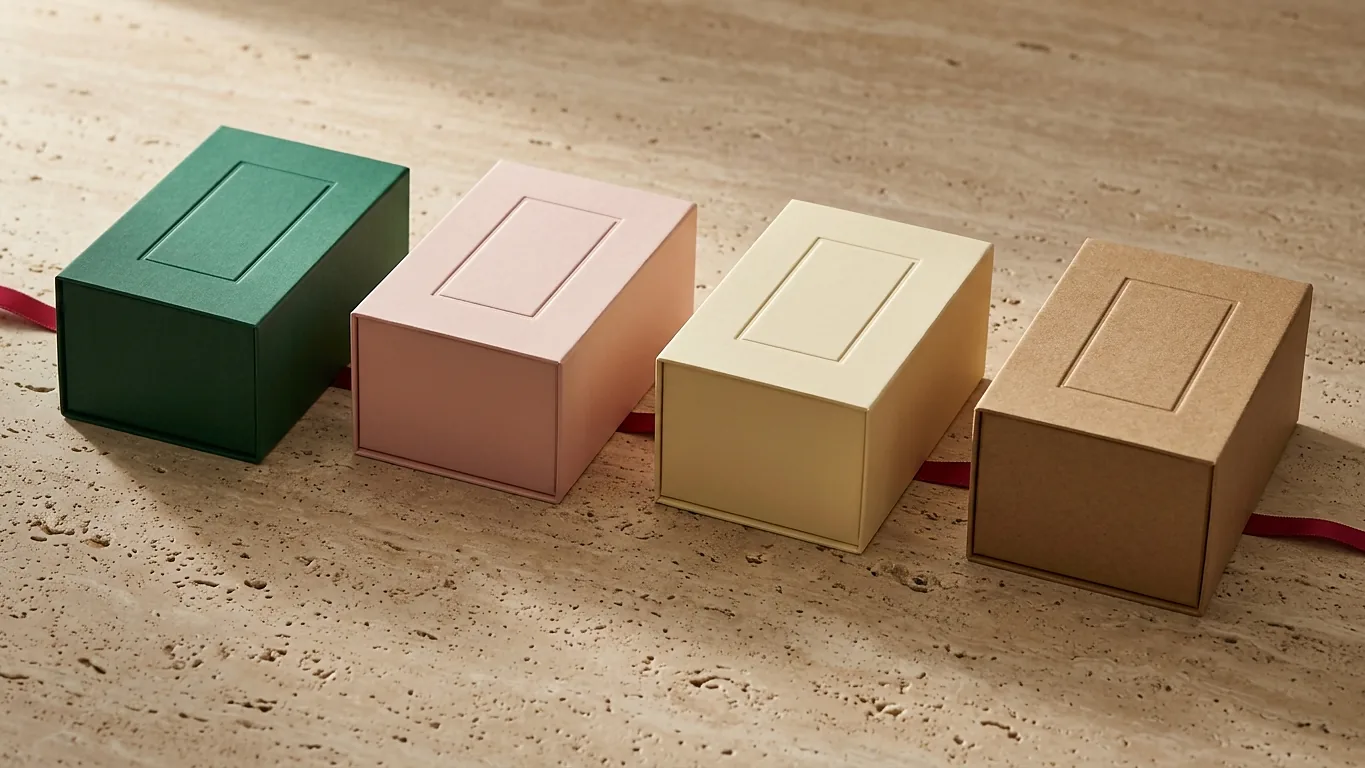
This is the first fork. A corrugated mailer box folds flat, locks without tape, prints inside and out, and ships on its own with just a label, which makes it the workhorse of most subscription boxes. A rigid box, the stiff two-piece kind, feels more premium and photographs beautifully, but it does not ship safely on its own and usually needs an outer shipping box, which adds cost and a second package to store. For most boxes, especially in the first year, a printed mailer is the right call. Save the rigid box for a high-price, lower-volume box where the premium feel justifies the extra cost.
Size the box to the product, not the other way around
Here is the mistake that quietly eats margin. Shipping is priced on dimensional weight, which means a big, half-empty box can cost more to ship than a small, full one that weighs the same. Every extra inch of box is extra postage on every box, every month. So size the box to the actual contents plus a little room for an insert and some tissue, and no more. If your contents change month to month, design around the largest common footprint rather than sizing up for the occasional big item.
Inserts do double duty
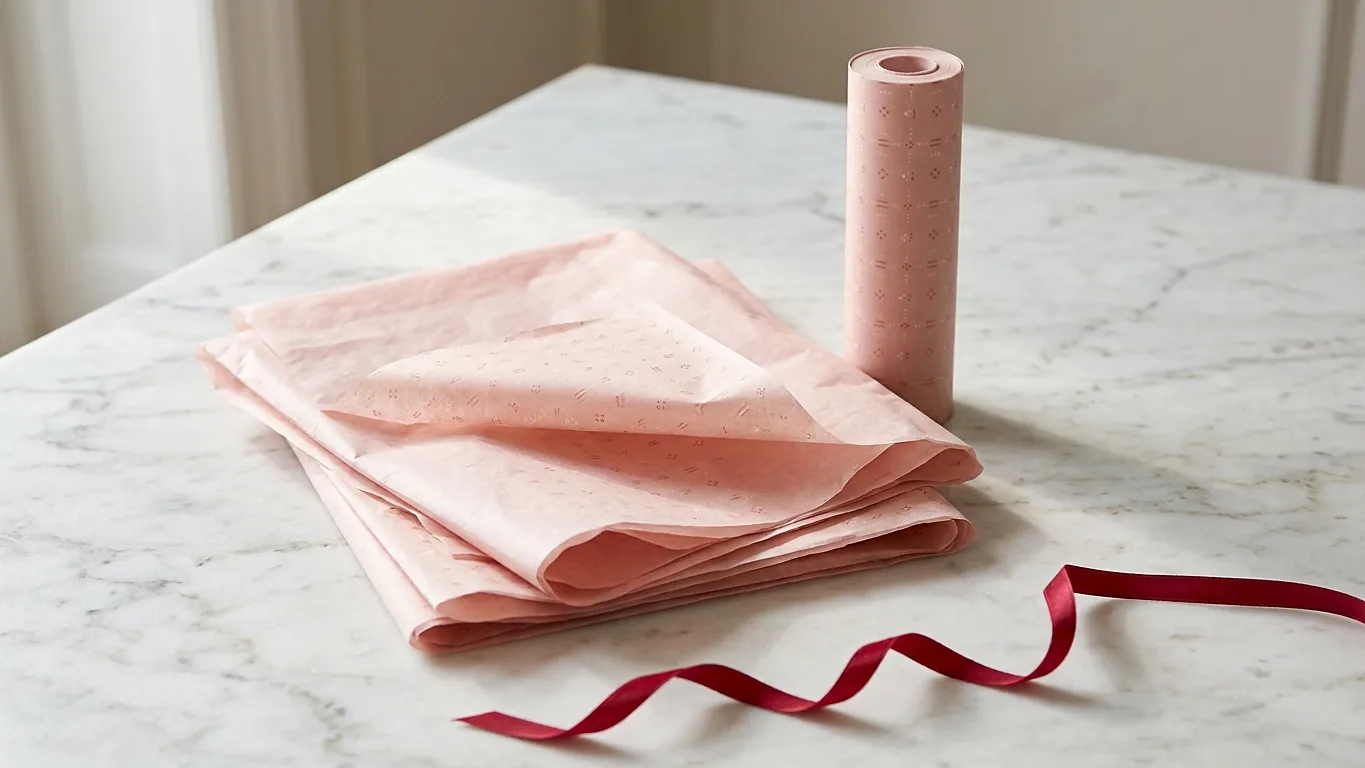
A good insert does two things at once: it stops the contents from sliding around in transit, and it turns a jumble of products into a presentation. A die-cut cardboard insert with a pocket for each item is the clean, sustainable option; a printed card or a crinkle-paper fill is cheaper and softer. Whatever you choose, the goal is the same: the box should open to something arranged, not something loose. For a subscription box, that arranged first look is a big part of what keeps people subscribed.
The inside is where the brand lives
On a mailer that ships itself, the outside stays fairly plain because it takes the beating of the mail. The inside is where you brand: a printed interior, a color or pattern on the walls, a message on the inside of the lid, a branded insert card. Because a subscriber opens your box over and over, small interior touches compound. They are what make the box feel like a gift instead of a shipment, month after month.
Plan for the reorder, not just the first run
Subscription packaging is a recurring cost, so the number that matters is not the first order, it is the cost per box over a year. A slightly cheaper box that looks flimsy costs you in churn; a slightly nicer box that keeps people subscribed pays for itself. Lock in a design you can reorder consistently, keep the artwork stable so every month matches, and price a couple of quantities so you know where your per-box cost lands as your subscriber count grows.
Start small, because subscription boxes do
Almost every subscription box starts with a few dozen subscribers, not a few thousand, and that is exactly where most suppliers make life hard by forcing a 250 or 500 unit minimum. We are The Best Price Boxes, and we print subscription box packaging with no minimum, so you can launch with the quantity you actually have subscribers for and scale the order up as the list grows. Whether you are shipping a pet box, a stationery box, a candy box, or a cosmetic box, send your product sizes, format, and quantity for a quick quote, and if you already have a written quote from another supplier, send it and we will try to beat it.
Frequently asked questions
Should a subscription box be a mailer or a rigid box?
For most boxes, a corrugated mailer: it ships on its own, prints inside and out, and costs less. Rigid boxes feel more premium but need an outer shipping box, so they suit high-price, lower-volume boxes.
Why does box size affect my shipping cost so much?
Carriers price on dimensional weight, so a larger box can cost more to ship even at the same weight. Sizing the box snugly to the contents saves postage on every box, every month.
Do I need an insert in my subscription box?
It helps a lot. An insert keeps items from shifting in transit and arranges them into a presentation, which is a big part of the unboxing that keeps subscribers renewing. A die-cut tray or a printed card both work.
Where should I put my branding on a subscription mailer?
On the inside. The outside of a self-shipping mailer takes the wear of the mail, so brand the interior: printed walls, a message on the lid, a branded insert card. Subscribers see the inside every month.
What is the minimum order for subscription box packaging?
We have no minimum, so you can launch with the exact quantity you have subscribers for and scale up as your list grows. Many suppliers require 250 or 500, which forces new boxes to overbuy.
How do I keep my subscription box cost down over time?
Size the box snugly to control shipping, keep the design stable so you can reorder consistently, and price a couple of quantities so you know your per-box cost as you grow. The cost per box over a year matters more than the first order.