

Seasonal packaging has a short selling window and a long lead time. If you want Halloween boxes on shelves or in customers’ hands by mid-October, the artwork needs to be settled in summer. Here is how brands approach it without ending up with a pile of leftover pumpkins in November.
Pick the format by how the product is sold
Candy and treats sell as impulse buys, so the box has to read from three feet away. Boutique goods such as candles, soaps, and cosmetics sell as gifts, and the box is part of the gift. Subscription brands often run a limited edition as a one-month theme. Each situation points to a different build:
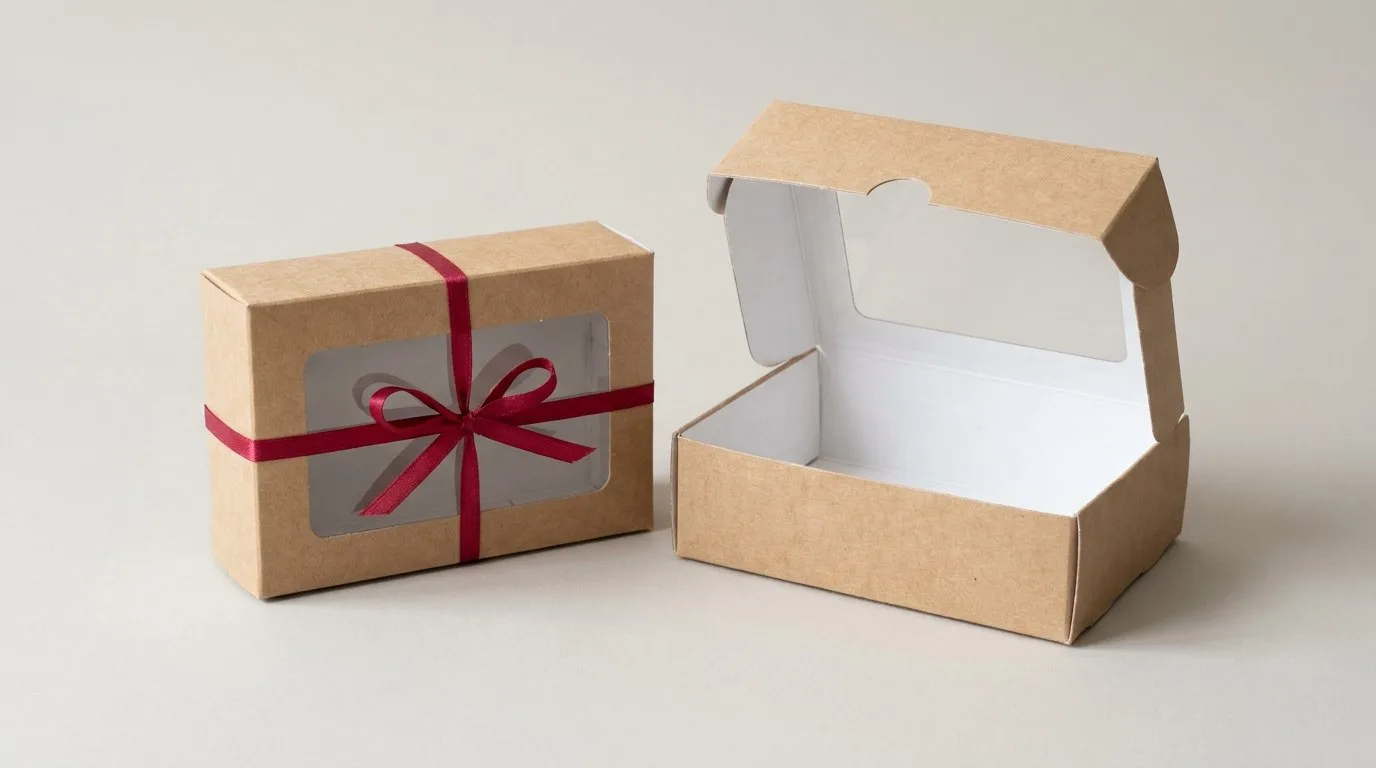
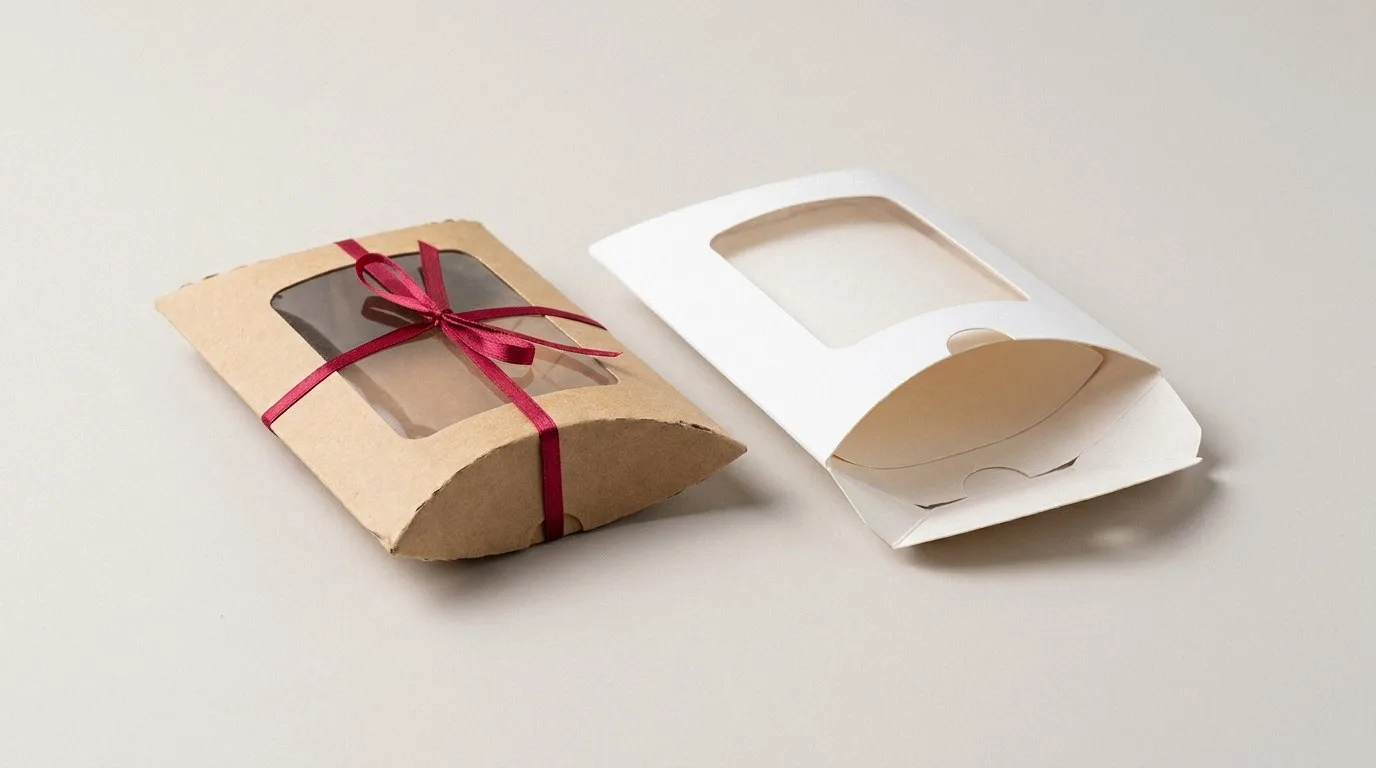
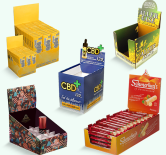
- Treat boxes and candy cartons. Small folding cartons, often with a window so the product shows. See candy packaging.
- Gift boxes with a lid. A rigid or folding gift box in black or deep orange with a single bold graphic feels premium without a lot of print complexity. See custom gift boxes.
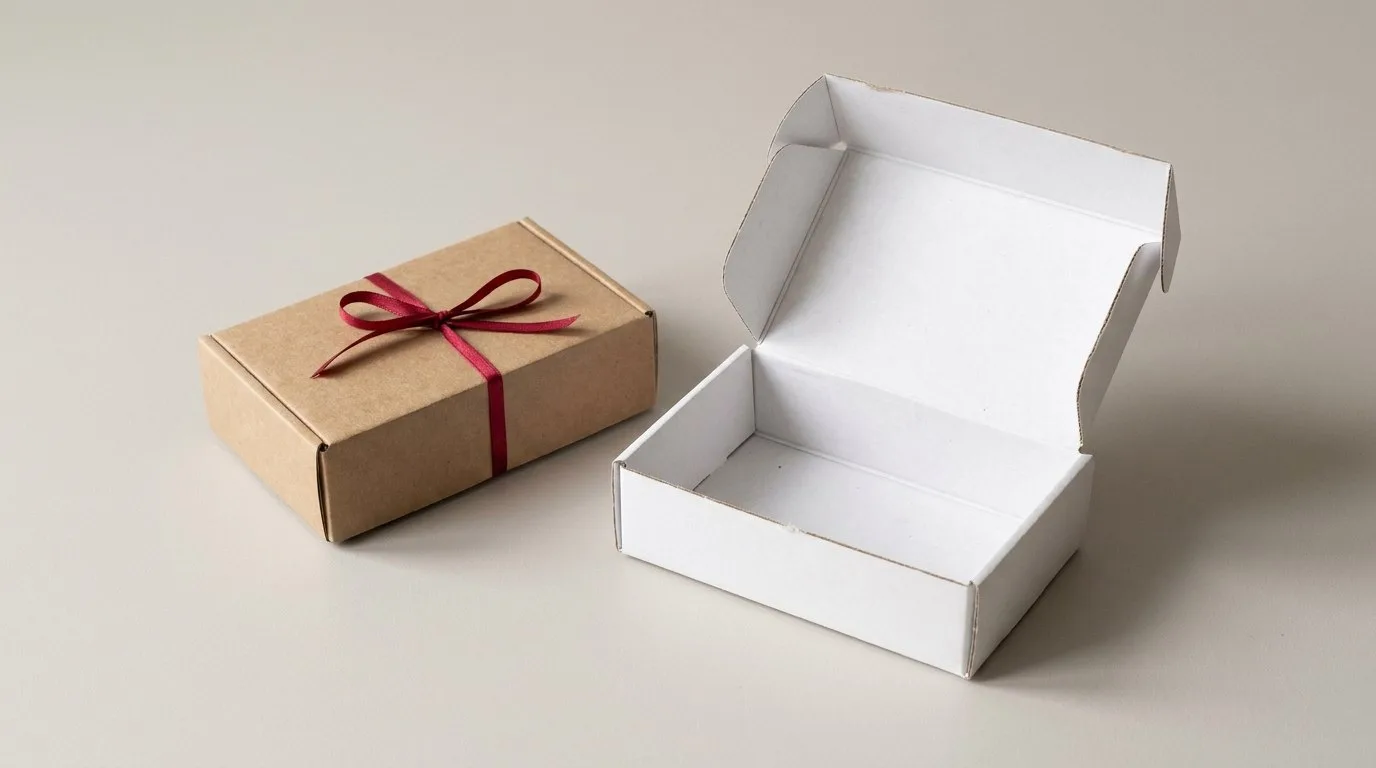
- Mailer boxes for limited editions. A themed shipper that customers open on camera. The inside print is where the surprise happens.
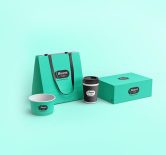
- Bags. Paper bags in black or kraft with a one-color stamp are the cheapest way to dress an in-store seasonal display.
Design choices that hold up
Seasonal clip art ages badly. Cartoon ghosts and generic jack-o’-lanterns look like every other brand’s box. What tends to work better is applying your own identity to the season: your logo and typeface with a Halloween palette, a single illustrated element, or a pattern printed on the inside lid. That way the box still reads as yours.
Color is the quick win. Black and orange are the obvious pair. A deep purple with metallic-look ink, or black with one bright accent, reads as more considered. Dark colors need a heavier ink coverage on kraft board, so ask for a printed proof or a sample before you approve a full run.
Plan for leftovers
The easiest way to waste money on seasonal packaging is to date it. A pumpkin, bat, or the word “Halloween” makes the box unusable after October 31. A black box with an orange logo, a spider-web pattern, or a “limited batch” stamp can run into November and still make sense. If you do print a hard date or a themed illustration, keep the quantity small.
That is where a no-minimum order helps. Printing a small themed run to test demand costs less than guessing and overbuying.
Timing
Work backward from the date you want stock in hand. Allow time for artwork review, a sample, any revisions, printing, and shipping. Requesting a sample early is the single best way to avoid a surprise at the end, because print color on a real board often looks different from a screen.
Food and candy
If the box holds food or candy, labeling and food-contact requirements apply to your product and your state, and they are your responsibility to confirm. We print the artwork and panels you provide.
Ordering from TBPB
There is no minimum order. Our team lays out the print files for free, sends free samples, and ships free. If you find a lower quote for the same spec elsewhere, send it and we will beat it. Start with custom gift boxes or candy packaging.
Questions buyers ask
When should I order Halloween packaging?
Work backward from the date you want stock in hand, allowing time for artwork, a sample, revisions, printing, and shipping. Many brands settle artwork in late summer.
How do I avoid leftover seasonal boxes?
Avoid hard dates and generic seasonal clip art. A dark box with your logo and a subtle pattern can keep selling into November. Order a small run if you do print a themed design.
Can I order a small run of custom Halloween boxes?
Yes. TBPB has no minimum order, so you can print a limited quantity to test demand.
What box type works best for Halloween candy?
Small folding cartons, often with a window, suit impulse purchases. Check food labeling and food-contact requirements for your product and state.
Which colors work best for Halloween packaging?
Black and orange are standard. Deep purple or black with one bright accent can look more distinctive. Dark colors need heavier ink coverage, so request a sample first.