

Cannabis packaging has to do three jobs at once: keep the product out of the reach of children, keep the smell and the freshness in, and stay on the right side of rules that change from state to state. Get any one of those wrong and you risk a failed inspection, a stalled launch, or a product that dries out on the shelf. The formats that solve these problems are well established, so you can build a package that is compliant and still looks like your brand.
Match the format to the product
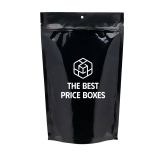
Different cannabis products call for different packaging. Flower and edibles usually go in mylar bags with a certified child-resistant zipper, because the barrier keeps the product fresh and the smell contained while the zipper meets the child-resistant requirement. Pre-rolls go in tubes or small boxes, cartridges and vapes go in printed cartons, and concentrates go in small jars inside a box. Start from the product and the state you sell in, and the format follows. If you are weighing a bag against a box, mylar bags vs boxes breaks down the trade-off.
Child-resistant is not optional
Child resistance is the rule that trips up the most new brands. To be compliant, a package has to be certified against a recognized standard, usually ASTM D3475 or the older poison-prevention standard in 16 CFR 1700.20, which means it was tested so that most young children cannot open it within five minutes while most adults still can. For a mylar bag, that means a certified child-resistant zipper, not just a regular resealable one. Certification applies to the package design, so ask for it when you source, and do not assume a bag qualifies just because it reseals.
Smell-proof and fresh
This is where mylar earns its place. A foil smell-proof mylar bag blocks light, oxygen, moisture, and odor, which keeps flower from drying out and stops the smell from escaping in a bag or a backpack. For most flower and edible brands, a smell-proof, child-resistant mylar bag is the single package that checks the most boxes at once. Boxes and tubes protect and present, but they do not seal out air and odor the way mylar does, which is why so much cannabis packaging is mylar first.
Exit bags and the dispensary handoff
An exit bag is the bag a dispensary hands the customer at checkout. It used to be a simple printed bag, but several states now require the exit bag itself to be certified child-resistant, so a plain resealable bag no longer counts in those markets. If you sell into dispensaries, check whether your state treats the exit bag as compliance packaging, because it changes what you can hand out.
Labeling and the rules that vary
Beyond child resistance, states set their own rules on what the package must say and what it cannot look like. Common threads are a required warning symbol, batch and THC information, and a rule that packaging must not appeal to children, which usually means no cartoons, candy imagery, or anything aimed at kids. Some states go further, such as requiring opaque packaging for certain liquid products. Because these details change by state and change often, confirm the current rules with your state regulator before you print, not after.
Branding inside the rules
Compliance and branding are not enemies. Within the rules you can still print full color, choose matte or gloss, add a window where it is allowed, and build a look that stands out on a dispensary shelf. The trick is to design the compliant elements in from the start, the warning, the child-resistant closure, the required panels, so your branding works around them instead of fighting them.
Start small, with no minimum
Cannabis is a market where brands launch lean and iterate fast, and most suppliers force a large minimum that makes that hard. We are The Best Price Boxes, and we print cannabis packaging with no minimum, so a new brand can order the quantity it needs for a first drop and scale up as it grows. Send your product and your state for a quick quote, and if you have a written quote from another supplier, send it and we will try to beat it.
A note on compliance: this is general packaging information, not legal advice. Cannabis packaging and labeling rules vary by state and change frequently, so always confirm the current requirements with your state regulator or a compliance professional before you print and sell.
Frequently asked questions
Does cannabis packaging have to be child-resistant?
In legal markets, generally yes. Packaging usually must be certified child-resistant against a standard such as ASTM D3475 or 16 CFR 1700.20, meaning most young children cannot open it within five minutes while most adults can. For mylar bags, that means a certified child-resistant zipper. Rules vary by state.
What is the best packaging for cannabis flower?
A smell-proof, child-resistant mylar bag is the common choice. The foil barrier keeps flower fresh and contains the odor, and a certified child-resistant zipper meets the compliance requirement in a single package.
What is a cannabis exit bag?
An exit bag is the bag a dispensary hands the customer at purchase. In several states it now has to be certified child-resistant itself, so a plain printed resealable bag no longer meets the rule in those markets. Confirm your state’s rule.
Are cannabis packaging rules the same in every state?
No. Child-resistant standards, labeling, warning symbols, and even packaging opacity vary by state and change often. Confirm the current rules with your state regulator before printing.
Can I still brand compliant cannabis packaging?
Yes. You can print full color and build a strong look as long as you include the required compliant elements and avoid designs that appeal to children. Design the compliance in from the start so branding works around it.
What is the minimum order for cannabis packaging?
We have no minimum, so a new brand can order the quantity it needs for a first drop and scale up. Many suppliers require large minimums that make launching lean difficult.