

A rigid box is a two-piece or hinged container built around a thick paperboard core, typically wrapped in printed or textured paper. That solid core is what separates rigid boxes from folding cartons, it’s what gives high-end product packaging that substantial, premium feel when you open it.
This guide covers what actually makes a box “rigid,” the common styles and materials, standard sizing, and how to order custom rigid boxes without a case-quantity minimum standing in your way.
Rigid Boxes vs. Folding Cartons
Folding cartons (the standard printed box you’d get for cereal or a phone case) ship flat and get folded into shape at the point of use, they’re made from thinner paperboard that can crease without cracking. Rigid boxes use a thick paperboard or chipboard core that doesn’t fold; the box arrives pre-assembled, which means it costs more to make and ship, but it holds its shape permanently and feels far more premium in hand.
That trade-off is why rigid boxes show up almost exclusively in premium and gift packaging, electronics, jewelry, cosmetics, and luxury retail, where the unboxing experience is part of what you’re selling.
Rigid Box Materials and Construction
The core is chipboard (also called greyboard), a dense, layered paperboard usually 1.5mm to 3mm thick. Thicker core means a sturdier box but more material cost and shipping weight, so the thickness is worth specifying based on what the box actually needs to protect.
That core gets wrapped in a decorative paper, matte, gloss, textured, or specialty stocks like linen or suede finish, which is where the branding and printing actually happens. Foil stamping, embossing, and spot UV all apply cleanly to rigid boxes since the wrap paper gives a smooth, stable printing surface.
Common Rigid Box Styles
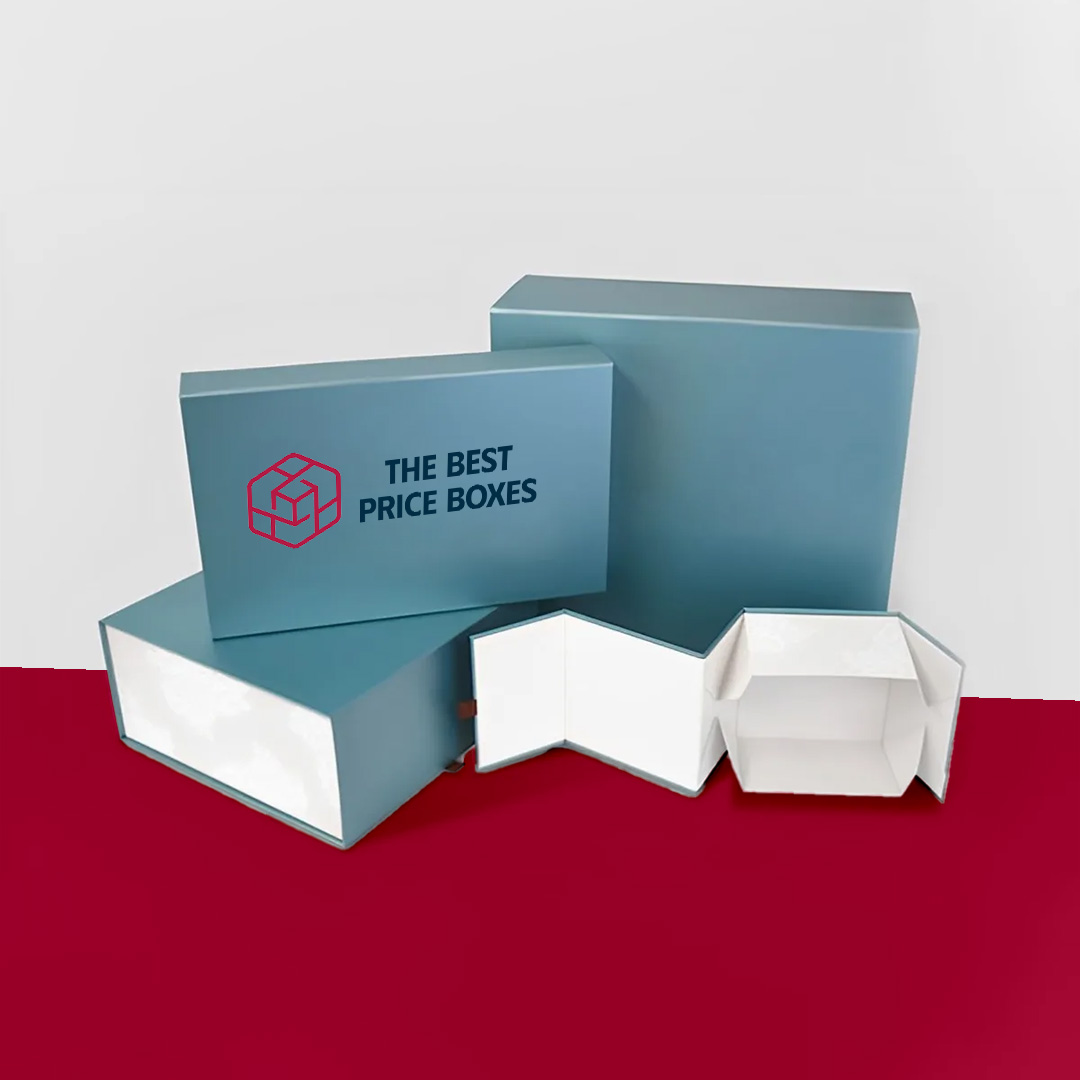
Two-piece (lid and base): The classic shoebox-style rigid box, a separate lid slides over or nests onto the base. Simple to produce, very common for gift and retail packaging.
Collapsible rigid boxes: Built with a magnetic or friction closure and hinged sides so the box folds flat for shipping and storage, then pops into a rigid shape for use. Costs more per unit but cuts shipping volume significantly.
Drawer-style (slide boxes): An inner sleeve slides out of an outer shell, similar to a matchbox. Common for phone cases, jewelry, and small electronics where the reveal is part of the experience.
Book-style (hinged): The lid is attached to the base with a hinge instead of separating completely, so it opens like a book. Works well for presentation sets and multi-item kits.
Custom Rigid Boxes With No Minimum Order
Rigid boxes are more labor-intensive to manufacture than folding cartons, which is why most suppliers set a high case-quantity minimum, often 500 to 1,000+ units, to make a production run worthwhile. That’s a real barrier if you’re launching a new product, running a limited edition, or just don’t want thousands of boxes sitting in storage.
The Best Price Boxes produces custom rigid boxes with no minimum order quantity. A small sample batch and a full production order use the same pricing logic, no case-quantity wall in the way. You choose the chipboard thickness, wrap material, closure style, and finish, and we price it to your actual spec.
Custom Rigid Boxes FAQ
Related guides and comparisons
Deciding if rigid is right? Corrugated vs cardboard vs rigid breaks down the material choice, gloss vs matte covers the finish, and digital vs offset printing covers the print method that suits premium boxes. For pricing, see custom box pricing, or get a quote.
Packaging jewelry? The jewelry packaging guide covers rigid box styles, inserts, and sizing for rings, necklaces, and sets.
Explore rigid box options: rigid boxes, white rigid boxes, small rigid boxes, collapsible rigid boxes, and rigid invitation boxes, with no minimum order and our best price.
Is there a minimum order for custom rigid boxes?
Not at The Best Price Boxes. We produce custom rigid boxes with no minimum order quantity, so you can order a small sample batch or a full production run using the same pricing logic.
What’s the difference between rigid boxes and folding cartons?
Folding cartons are thin, foldable paperboard that ships flat and gets assembled on demand. Rigid boxes use a thick chipboard core wrapped in decorative paper, arrive pre-assembled, and hold their shape permanently. Rigid boxes cost more but give a premium, substantial feel that folding cartons can’t match.
What chipboard thickness should I choose?
1.5mm works for lightweight items like jewelry or cosmetics. 2mm is the standard mid-weight choice for most retail and gift boxes. 3mm or higher suits heavier products or boxes that need to survive repeated handling, like electronics packaging.
Can I get a sample before ordering in bulk?
Yes, since there’s no minimum order quantity, a small sample run of 10 to 25 boxes in your actual chipboard thickness, wrap material, and print is a normal first order. Most customers test a sample before committing to full production.
What’s the difference between two-piece and collapsible rigid boxes?
A two-piece box has a separate lid and base, simpler to make, lower cost, but ships fully assembled and takes up more space in transit. A collapsible box folds flat with a magnetic or friction closure, so it ships and stores compactly, then pops into shape for use. Collapsible costs more per unit but cuts warehousing and shipping volume.
Planning your order
Ready to price your rigid boxes? See our full breakdown of how much custom boxes cost, and how to order with no minimum order, so you can start with a small batch and scale as you sell. When you’ve got your specs, request a quote and we’ll price your exact box.
Related guides and where to order
- custom rigid boxes (order with no minimum, free design and samples)
- Rigid Boxes vs Folding Cartons: Which to Choose
- How Much Do Custom Rigid Boxes Cost?
- Rigid Box Styles Explained: How to Choose
- Ready to order? Get a free quote or estimate your cost.