





A gift bag is a paper bag with handles, a flat bottom, and side gussets that let it stand open on a counter. A gift box is a rigid or folding carton with a lid. People mix the two up constantly, and the mix-up costs money, because the right choice depends on what goes inside and how it gets carried. This guide covers the bag side: construction, paper, handles, sizing, and what to tell a printer before you order.
Gift bag or gift box: how to pick
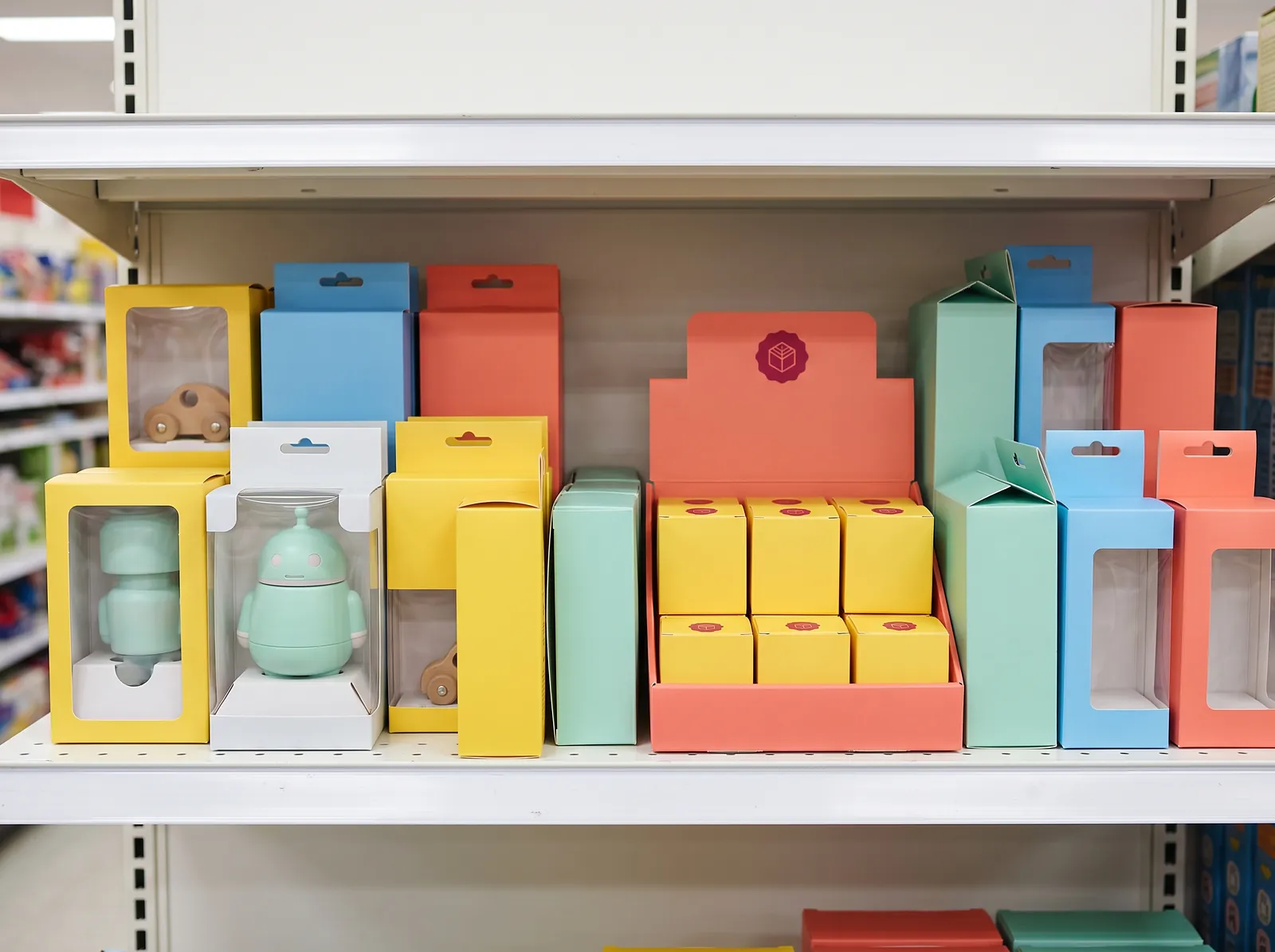
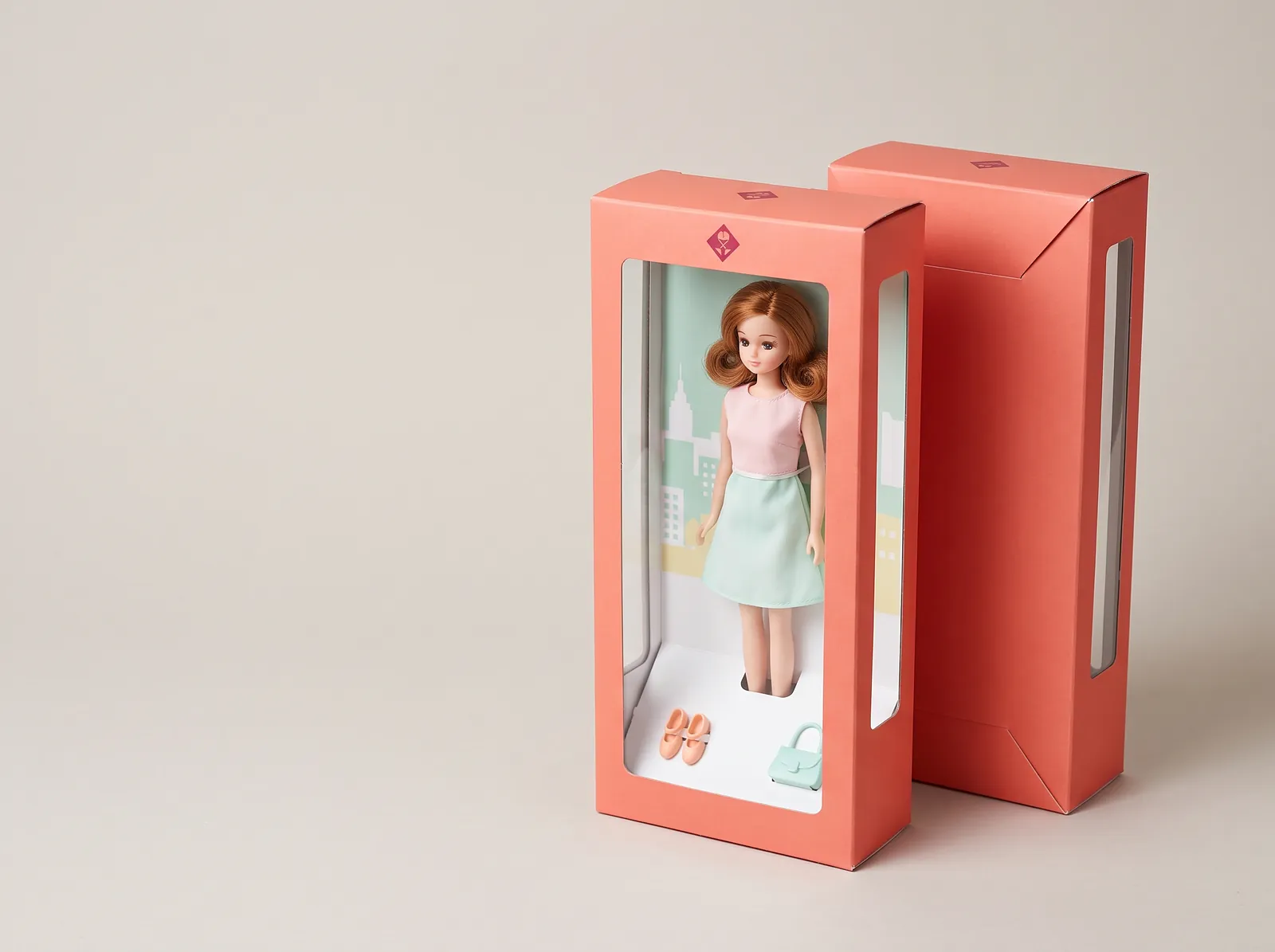
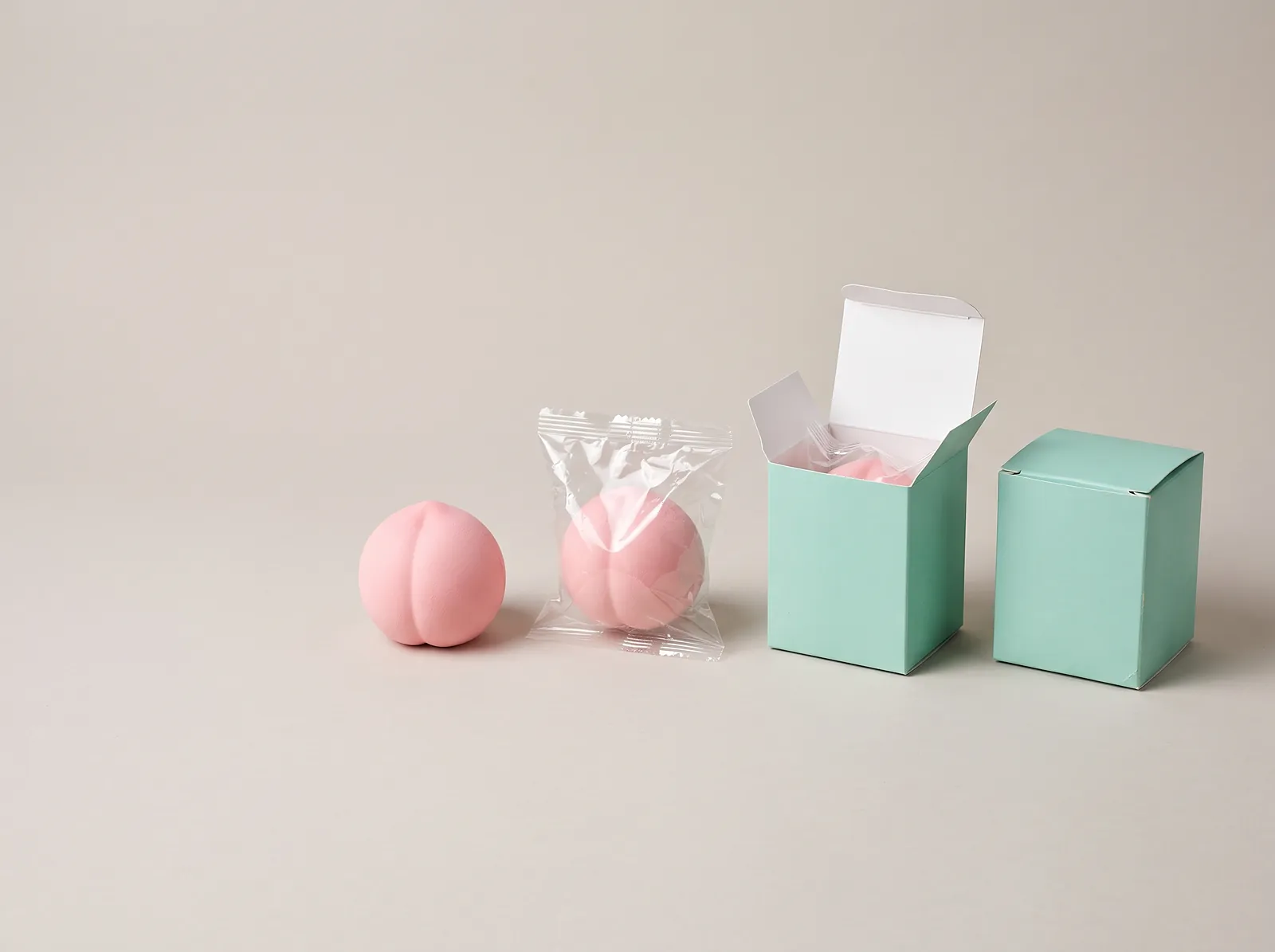
Choose a bag when the product is soft, bendable, or already protected by its own packaging. Clothing, candles in jars, scarves, tubes of cosmetics, and boxed items all travel well in a bag. Choose a box when the item is fragile, needs a flat surface to sit on, or has to arrive without a crushed corner, such as jewelry, glass, or a stack of cookies. If you are unsure, put the product in a bag and shake it gently. Anything that shifts or clinks wants a box, or a box inside a bag, which is how many retail brands do it. For the box side of the decision, our custom gift boxes category has the options.
How a paper gift bag is built
Most gift bags are a single sheet of paper folded around a tube, glued at the seam, then closed at the base with a pasted bottom. A folded top hem, usually about an inch deep, gives the opening some stiffness. Better bags add a cardboard strip inside the top hem and a bottom board under the base so the bag keeps its shape with weight in it. Handles are threaded through holes in the hem and held with a small paper patch on the inside.
The three dimensions are written width by gusset by height. A bag listed as 8 x 4 x 10 inches is eight inches across the front, four inches deep on the side, and ten inches tall. Measure the product in the same three directions, then add room for tissue, a card, or a smaller box. As a rule of thumb, leave a little under an inch of extra width and gusset, and let the product sit about an inch below the top edge so the handles do not crush it.
Paper and finish
- Kraft paper. Brown or natural, strong for the weight, and the simplest route to a clean look. Ink on kraft prints darker and earthier, and light colors lose punch against the brown, so white ink or a single dark color usually reads best.
- White coated paper. Takes full-color artwork with sharp detail. This is the usual choice for retail brands that want photographs, gradients, or a bright logo.
- Matte lamination. A soft, low-glare film that resists scuffs and fingerprints. It is the default for boutique and cosmetic bags.
- Gloss lamination. A shinier film that makes color pop, though it shows fingerprints faster.
- Uncoated. A natural paper feel with no film. It looks good, but it marks more easily and handles moisture poorly.
Film lamination can complicate recycling in some local programs, so if recyclability is a selling point for your brand, ask for an uncoated or water-based coating option and confirm it with the printer.
Handles
Twisted paper handles are the common default: sturdy, low-cost, and recyclable with the bag. Flat paper handles look plainer and print well when you want the handle to carry a color. Cotton rope and satin ribbon handles feel more premium and are the usual pick for apparel, jewelry, and gifting. Die-cut handles, punched straight into the top of the bag, skip the separate handle entirely and suit lighter items like a single garment or a handful of samples.
Match the handle to the load. A twisted handle on a bag carrying a heavy glass candle will stretch or tear at the patch. If the bag will hold weight, ask for a reinforced hem and a bottom board.
What to send when you ask for a quote
- Finished size: width, gusset, and height.
- Paper: kraft or white, plus the finish you want.
- Handle style and color.
- Artwork: your logo, and which sides it prints on, front, back, or the gussets too.
- Quantity. There is no minimum order here, so a run of a few dozen is possible, which suits a launch or a seasonal drop.
Our team designs the print layout for you at no charge, sends free samples so you can check the stock and finish in hand, and ships free. You can browse custom gift bags or custom paper bags, or look at everything in custom bags. If a competitor quotes you lower, send us the quote and we will beat it.
Mistakes that show up on delivery day
Sizing is the big one. Buyers measure the product and forget the tissue, the box, or the card, and the bag ends up tight. The second is choosing a lightweight stock for a heavy item. The third is dark artwork with no bleed, which leaves thin white slivers at the folds. Ask for a flat template before approving, and check that your logo does not land on a fold or a glue seam.
Questions buyers ask
What is the difference between a gift bag and a gift box?
A gift bag is a handled paper bag with a flat bottom and side gussets, best for soft or already-protected items. A gift box is a rigid or folding carton with a lid, better for fragile items or anything that needs a flat surface and corner protection.
How do I choose the right gift bag size?
Measure the product by width, depth, and height, then add a little under an inch of room in width and gusset for tissue or a card. Leave about an inch of height below the top edge so the handles do not crush the item.
Can I order a small number of custom gift bags?
Yes. TBPB has no minimum order, so you can order a few dozen printed gift bags for a launch or a seasonal drop.
Which handle is best for heavy items?
Cotton rope or reinforced twisted paper handles with a stiffened top hem and a bottom board. Plain twisted handles on a light bag can tear at the patch under heavy weight.
Are laminated gift bags recyclable?
It depends on the film and your local program. If recyclability matters to your brand, ask for uncoated paper or a water-based coating and confirm the option with the printer.