
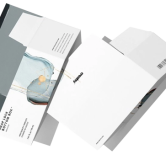
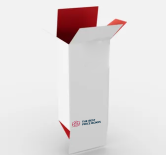
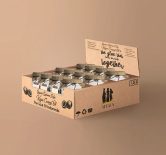

Holographic foiling boxes are folding cartons with holographic hot-foil stamped onto a logo, pattern or selected panels. The foil is a metallic film that shifts through rainbow colors as the light and viewing angle change. It works best as a small, deliberate accent on a box, not as a full-surface finish.
Reviewed by the TBPB packaging team, October 2026.
| Quick facts | Detail |
|---|---|
| Minimum order | None. Order one box or ten thousand. |
| Process | Hot foil stamping: heat and pressure press the foil film onto the printed carton through a metal die |
| Where it goes | A logo, a pattern or selected panels |
| Works best with | Solid shapes, bold lettering, simple line art |
| Weak spot | Very fine text, hairlines and large flat areas |
| Artwork needed | Vector file with the foil area on its own layer |
What does holographic foil look like on a box?
It looks like a thin sheet of oil on water: bands of pink, green, blue and gold that slide across the surface when you tilt the box. Under a bright shop light the effect is strong. In a dim photo or a flat studio shot it can look gray and dull, which is worth knowing if most of your sales happen through product photos.
Holographic foil comes in different patterns, from smooth rainbow sheen to geometric textures. Pattern choice matters more than most buyers expect. Ask us to confirm the foil options available for your spec, and request a sample before you commit to a large run.
How is holographic foil applied?
A hot foil stamp is a three-step job. First, the carton is printed in its base colors. Second, a metal die cut to your artwork is heated and pressed against the foil film. Third, the pressure releases the foil from its carrier and bonds it to the paperboard, only where the die touches.
Because every design needs its own die, small details cost the same die effort as big ones. That is why simple artwork makes more sense. A single logo on the lid is easy. A foil pattern wrapped around all six panels is a different job entirely.
When is holographic foil worth the extra cost?
It pays off when the box is part of the product’s appeal: cosmetics, collectibles, gift sets, trading cards, candles, limited drops and anything sold on a shelf next to similar-looking competitors. A small foil logo gives a plain white or black box a premium feel without repainting the whole design.
It is wasted money when the box is shipped inside another carton and never seen by the customer, or when the product is a low-margin commodity where buyers shop on price. Foil also adds a production step, so expect it to affect your quote. Rather than guess, ask for a quote with foil and one without, and compare them side by side.
How should I design artwork for foil?
Keep it bold. Use solid shapes and clean lettering, and avoid thin hairlines that can fill in or break up during stamping. Small type under a few points tends to blur. A good test is to hold your printed logo at arm’s length. If it reads clearly in one color, it will stamp cleanly.
- Build the foil area as vector shapes in a separate layer named foil.
- Make every foil shape a single solid color so the die has a clear outline.
- Leave breathing room around the foil. Foil right at a fold line can crack or shift.
- Send the file and ask us to check it before the die is made.
A worked example. Take a 4 x 4 x 2 inch cosmetics carton with a 2 x 1 inch logo on the lid. A single foil logo that size is a simple stamp: one die, one pass, strong visual payoff. Now imagine the same carton with foil on the logo, a wrapped border and tiny foil ingredient text. The border and the text add cost and risk without adding much appeal, and the text will probably blur. Keep the foil to the logo and print everything else in ink.
Holographic foil or other metallic finishes?
| Finish | Look | Best use |
|---|---|---|
| Holographic foil | Shifting rainbow sheen | Playful, beauty, collectible, youth brands |
| Plain gold or silver foil | Steady metallic shine | Classic luxury, spirits, jewelry |
| Metallic ink | Soft, flatter shimmer | Budget-conscious metallic accent |
If your brand is quiet and classic, holographic foil may feel loud. A single-color foil often reads as more expensive than a rainbow one. Choose the effect that matches your brand, not the one that is most eye-catching.
Where do holographic foiling boxes fit in a packaging line?
Treat them as a premium tier. Many brands keep a plain carton for everyday orders and add the foiled version for gift sets or launches. Browse our holographic foiling boxes, or compare with custom rigid boxes when you want a heavier gift-grade structure. If the box needs a carry handle, see our suitcase box guide.
For cosmetics specifically, see our cosmetic packaging range. If you want to understand how a quote compares, our custom box price match guide explains line-by-line comparison.
Questions buyers ask
Is there a minimum order for holographic foiling boxes?
No. We take orders with no minimum order, so you can order a single sample box or a full production run. Send your dimensions and quantity, even one, and we will quote it.
Can the foil go on any part of the box?
It can go on a logo, a pattern or selected panels. Keep the foil off tight folds, since foil right on a crease can crack. Send your dieline and artwork and we will tell you where the foil sits safely.
How fine can foil detail be?
Fine detail is the weak point of hot foil. Hairlines and very small text can fill in or blur. Bold shapes and heavier lettering stamp cleanly. Ask us to check your artwork before the die is made.
What file do I need for holographic foil?
A vector file, such as an Illustrator or PDF file, with the foil area as solid shapes on a separate layer. If you only have a flat image, send it anyway and we will tell you if it can be redrawn.
Is holographic foil worth it for a small brand?
Often, yes, if it is limited to a small logo or accent. A single foil element gives a plain carton a premium look without a full redesign. Compare a foiled quote with a plain one and decide on the difference.
How do I get a quote and a dieline?
Send your product dimensions and quantity through the request a quote page. We draw the dieline for your size and send it with your quote.
How to order
Send the size of your product, the quantity (even one) and your logo, and ask for a quote with and without foil. We draw the dieline, mark where the foil sits, and send you a proof to approve. Design help, samples and shipping are free. If another supplier has already given you a written quote for the same specs, we will beat it. Start on the request a quote page.
Is there a minimum order for holographic foiling boxes?
No. We take orders with no minimum order, so you can order a single sample box or a full production run. Send your dimensions and quantity, even one, and we will quote it.
Can the foil go on any part of the box?
It can go on a logo, a pattern or selected panels. Keep the foil off tight folds, since foil right on a crease can crack. Send your dieline and artwork and we will tell you where the foil sits safely.
How fine can foil detail be?
Fine detail is the weak point of hot foil. Hairlines and very small text can fill in or blur. Bold shapes and heavier lettering stamp cleanly. Ask us to check your artwork before the die is made.
What file do I need for holographic foil?
A vector file, such as an Illustrator or PDF file, with the foil area as solid shapes on a separate layer. If you only have a flat image, send it anyway and we will tell you if it can be redrawn.
Is holographic foil worth it for a small brand?
Often, yes, if it is limited to a small logo or accent. A single foil element gives a plain carton a premium look without a full redesign. Compare a foiled quote with a plain one and decide on the difference.
How do I get a quote and a dieline?
Send your product dimensions and quantity through the request a quote page. We draw the dieline for your size and send it with your quote.